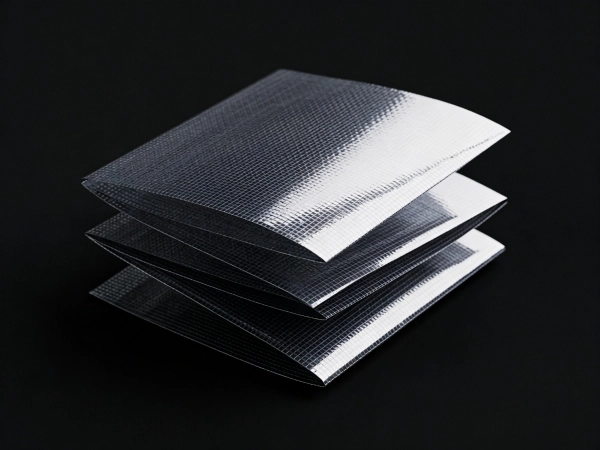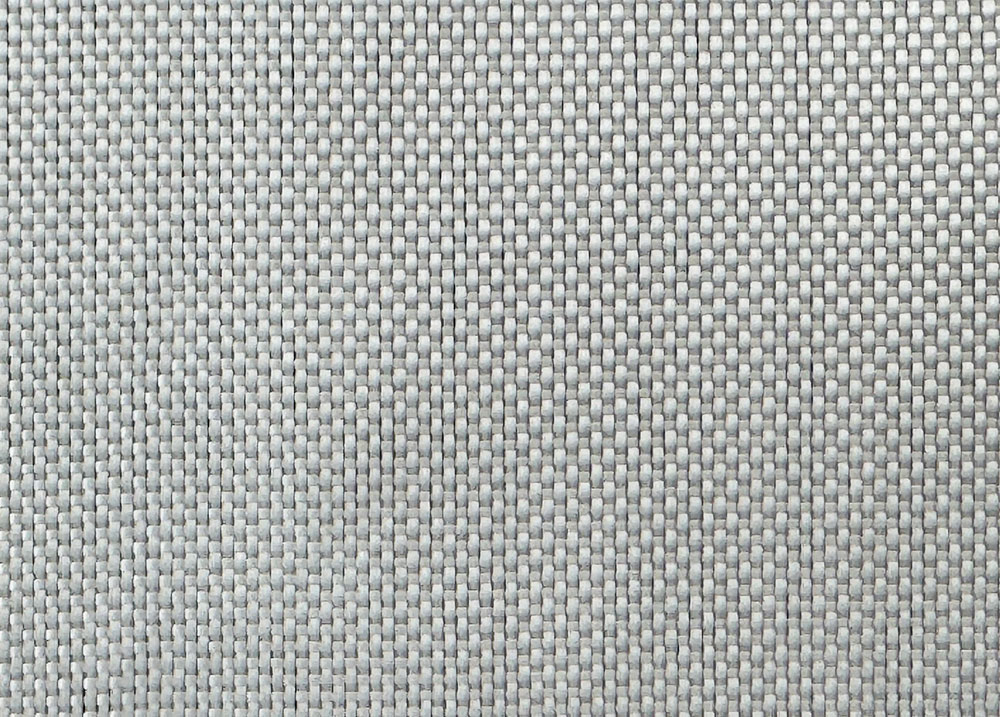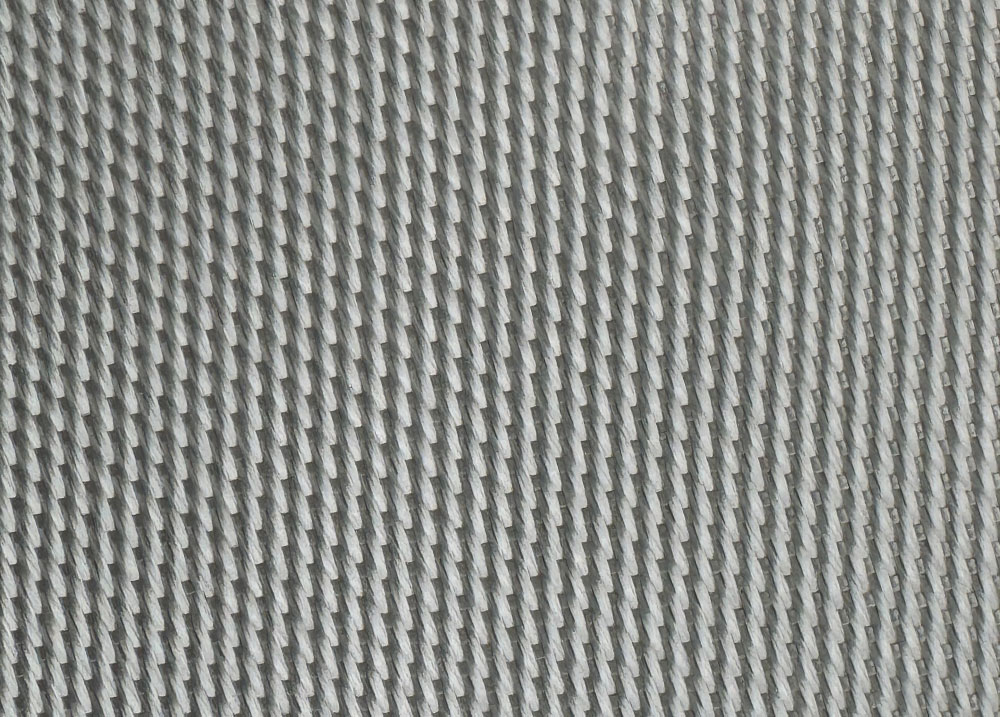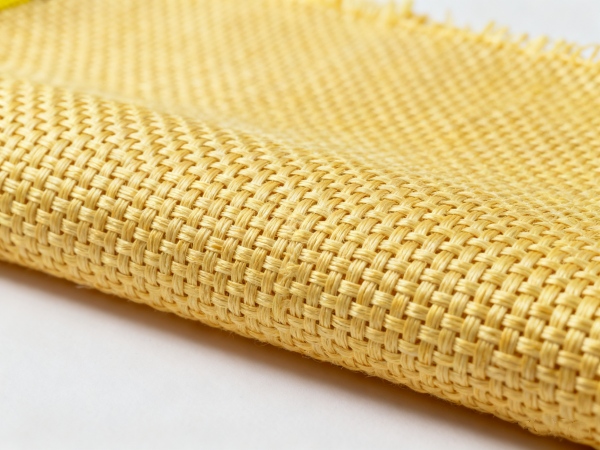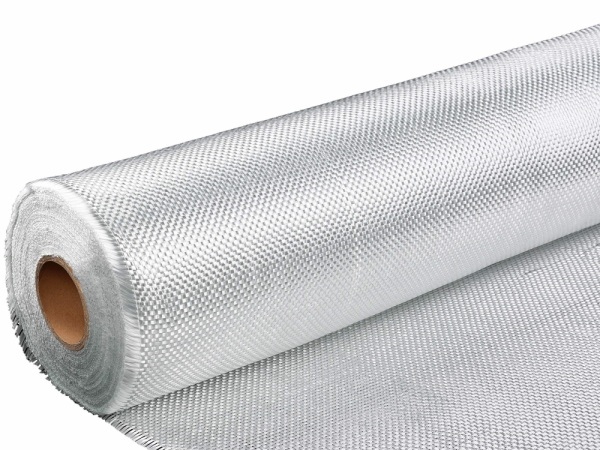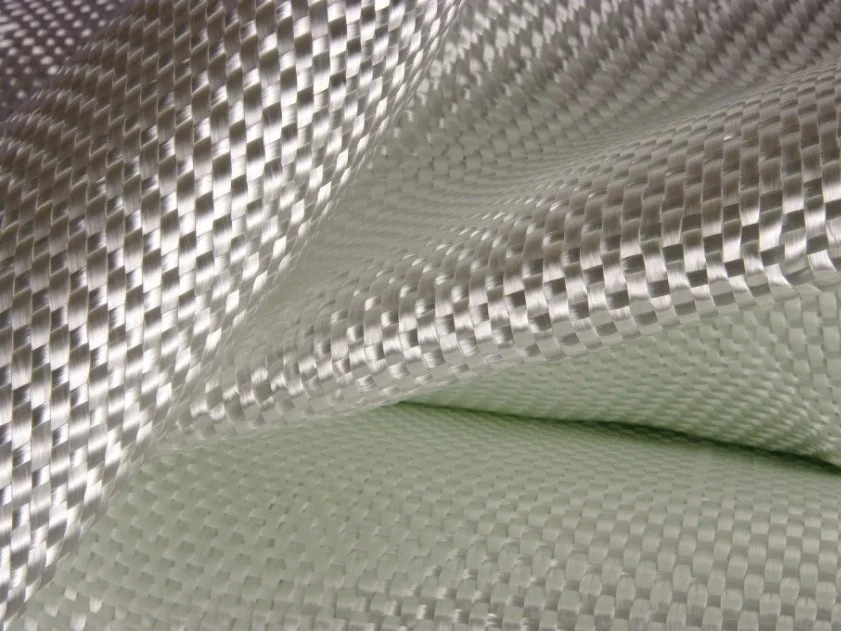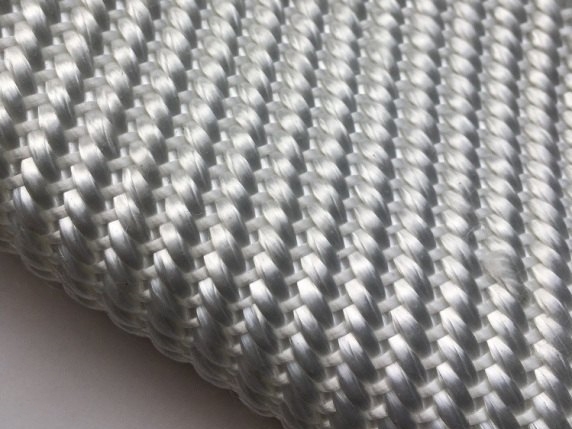

Hoyan is primarily engaged in producing industrial woven fabrics, including fiberglass woven fabric, fiberglass mesh, aramid, and more. We also supply special industrial fabrics, offering customized materials for demanding applications.

WE DO FABRIC RIGHT
Hoyan is primarily engaged in producing industrial woven fabrics, including fiberglass woven fabric, fiberglass mesh, aramid, and more. We also supply special industrial fabrics, offering customized materials for demanding applications.
We have world-class production equipment and technology, more experienced professional staff, and stable suppliers. Provide our customers with a wide range of special fabrics for industrial use, so that they can find a better entry point in the field of industrial textiles.
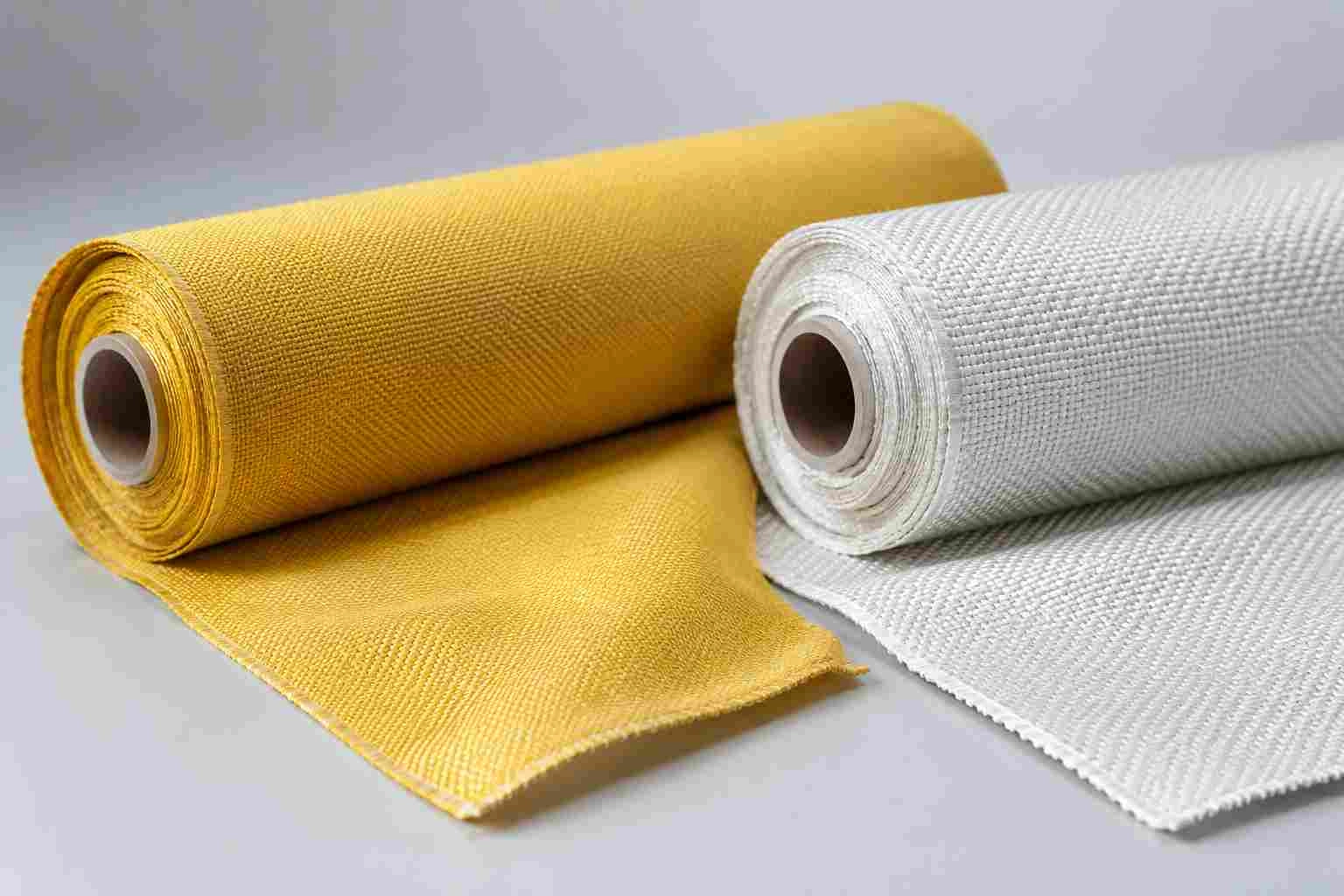
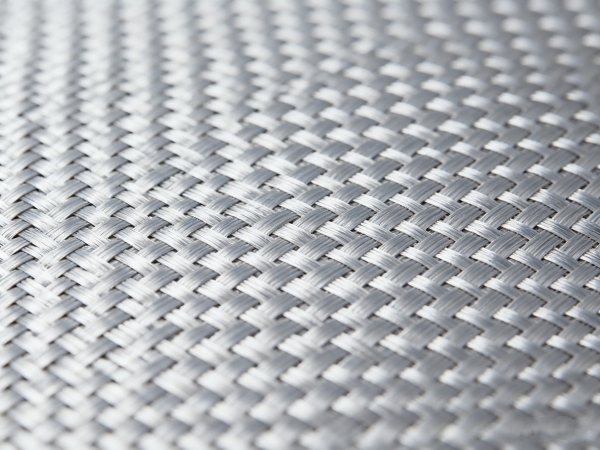
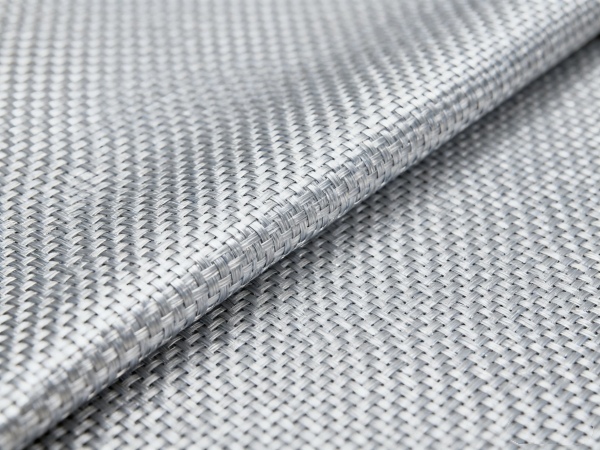
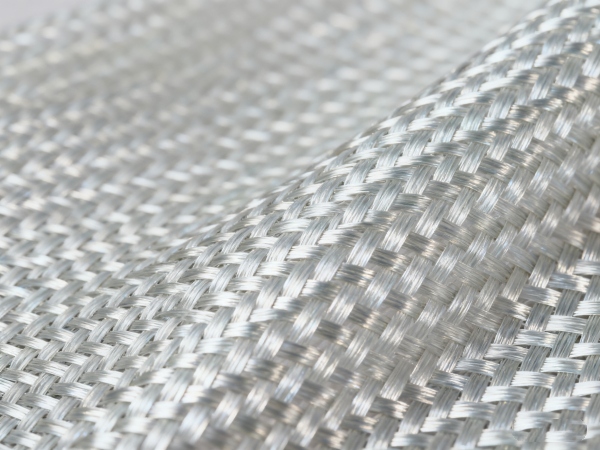
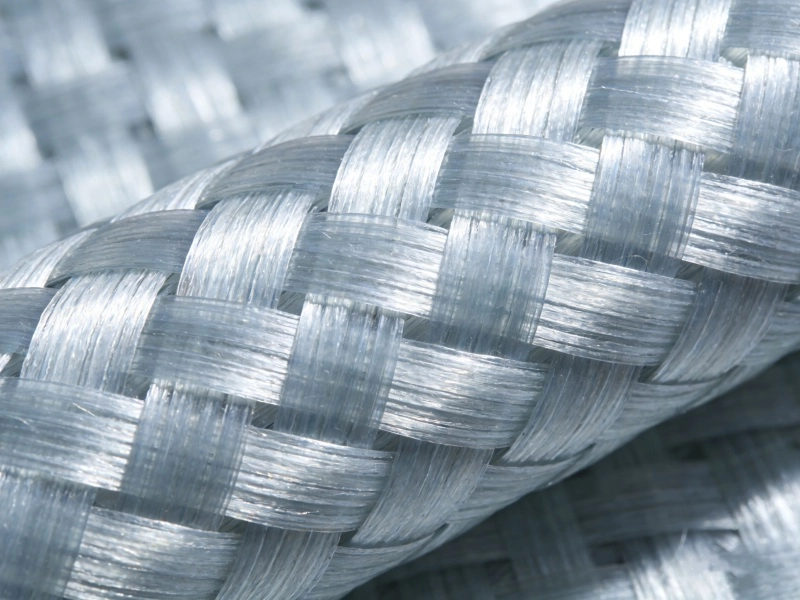
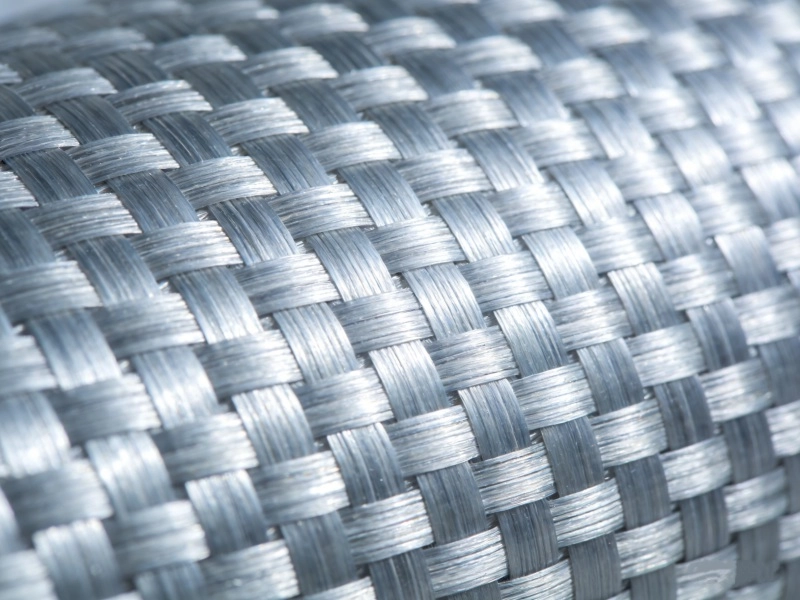
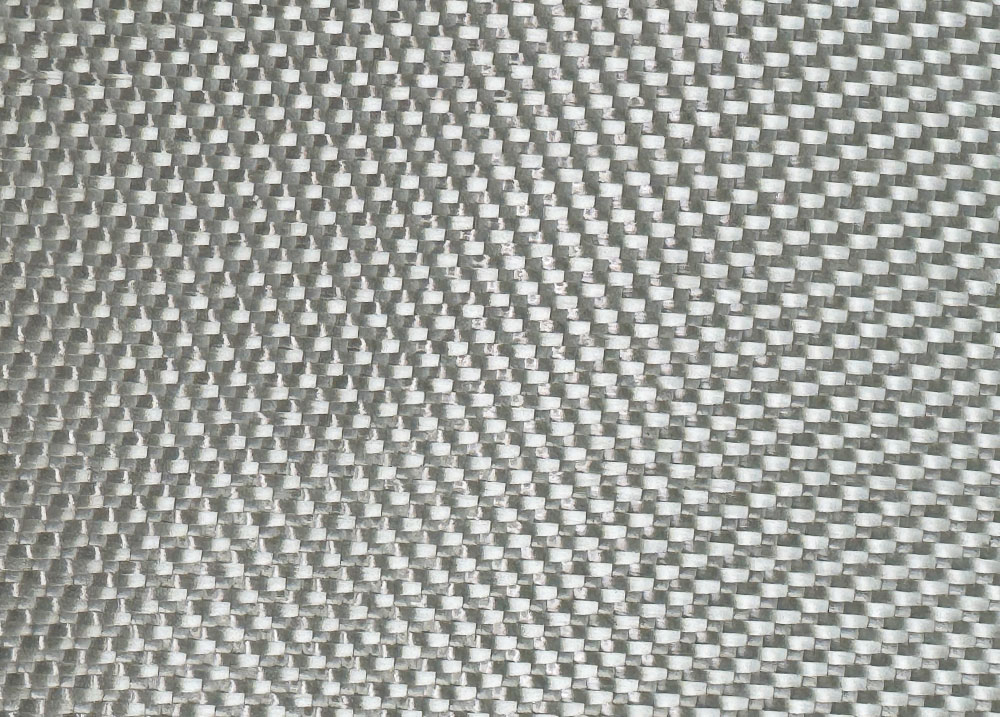
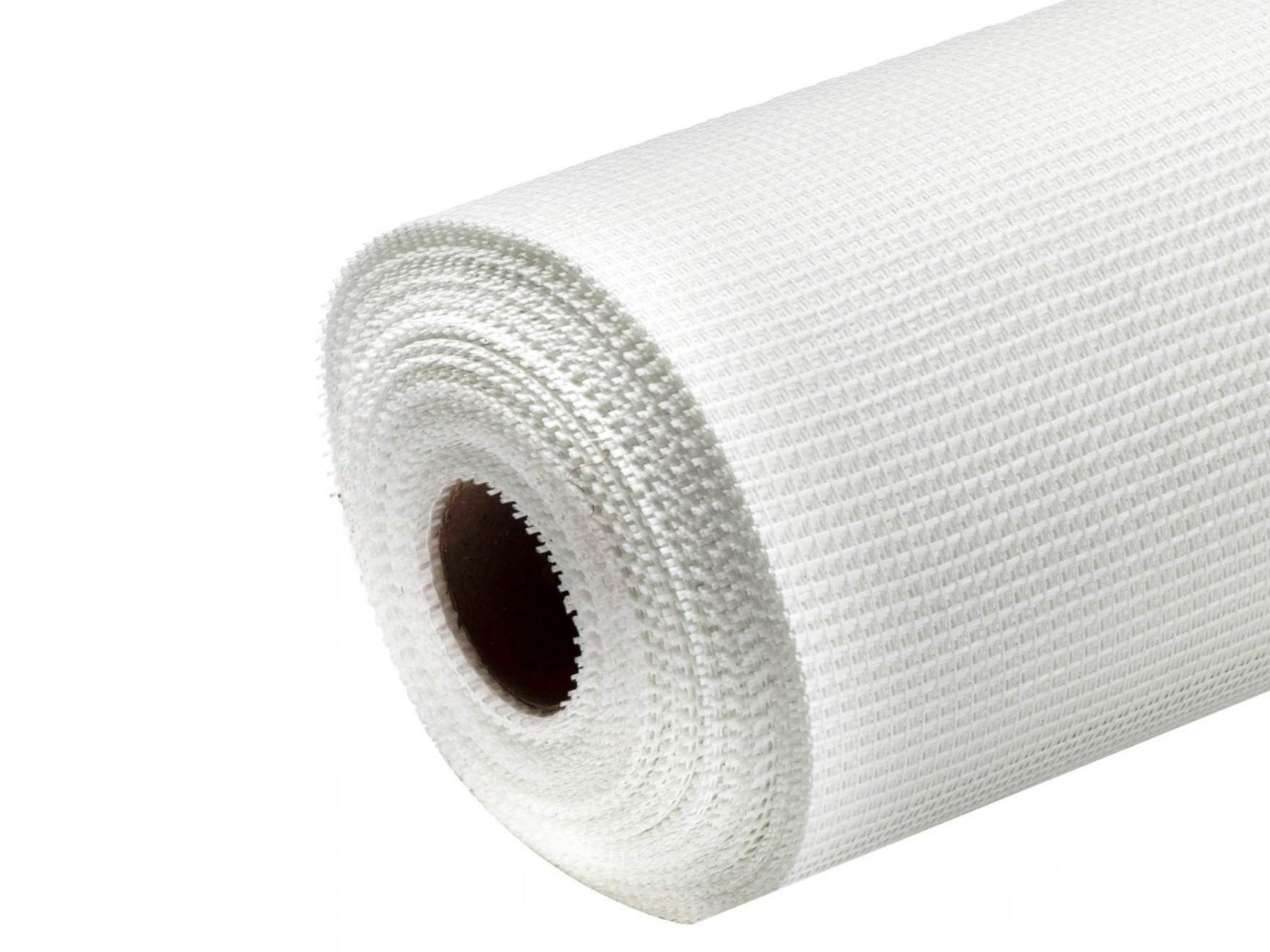
Fiberglass woven fabric is a high-performance material made by weaving glass fibers using traditional techniques, interlacing warp and weft yarns. The woven structure enhances the inherent properties of glass fibers, such as high strength, heat resistance, and electrical insulation—making it ideal for use as a reinforcement in composites or as a functional barrier in various industries.
As a fiberglass woven fabric manufacturer based in China, we supply composite fabricators, insulation converters, distributors and OEM partners worldwide. Whether you are sourcing a single roll for prototyping or placing a recurring bulk order, our team works directly with you on glass type, weave pattern, weight and width to match your application. As a China fiberglass woven fabric supplier, we focus on stable quality, custom weights and roll specifications, so that every shipment performs consistently from batch to batch.
Buyers choose a glass fiber cloth manufacturer for the consistency of the weave, the accuracy of the GSM, and the reliability of delivery — not just the price per meter. Our glass fiber cloth manufacturer for FRP, marine, construction and insulation markets controls fiber sourcing, weaving, and finishing in-house, which allows tight tolerance on thickness, width and tensile values across every roll. As a woven fiberglass cloth supplier with plain, twill and satin weave options, we are able to support both standard reinforcement projects and more demanding technical specifications without disrupting your existing lamination or insulation process.
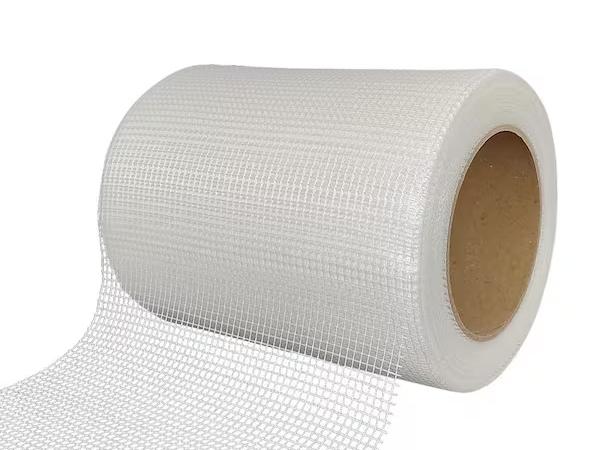
Production runs are organized so that fiberglass cloth rolls are supplied in custom widths, weights and packaging for industrial use, whether you need narrow tape-width rolls for taping and sealing applications or wide-format rolls for large-panel lamination. As a fiberglass fabric roll manufacturer supporting wholesale and custom specifications, we also assist distributors and converters who resell under their own packaging or brand.
Selecting the right fiber type is the first step in specifying a fiberglass woven fabric. We supply both E-glass and S-glass constructions, each suited to a different balance of cost and mechanical performance.
E-glass fiberglass woven fabric offers cost-effective insulation and reinforcement performance, and remains the most widely used glass type across general composite, electrical insulation and construction reinforcement applications. It provides a dependable combination of mechanical strength, electrical insulation and chemical resistance for projects where overall cost-efficiency is a priority.
S-glass woven fiberglass fabric is designed for high-strength composite applications where tensile and modulus values exceed what standard E-glass can deliver. This is a high-performance, low-volume specification, well suited to aerospace-adjacent, defense, sporting goods and other demanding structural composite projects where weight savings and strength-to-weight ratio matter more than unit cost.
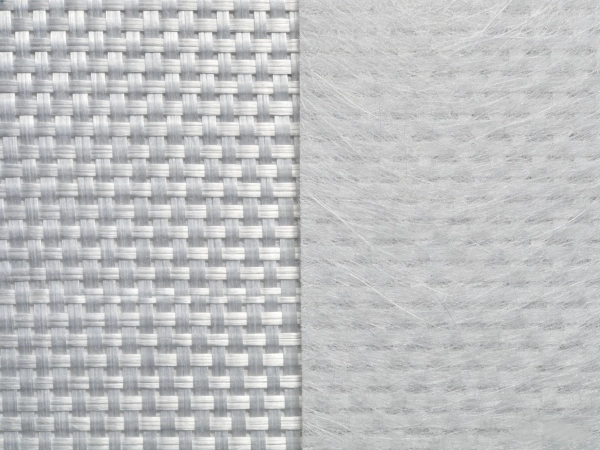
The weave pattern affects how the fabric drapes, how it handles during lay-up, and how the finished laminate performs under load. We produce both plain weave and twill weave constructions to match the geometry and mechanical requirements of your part.
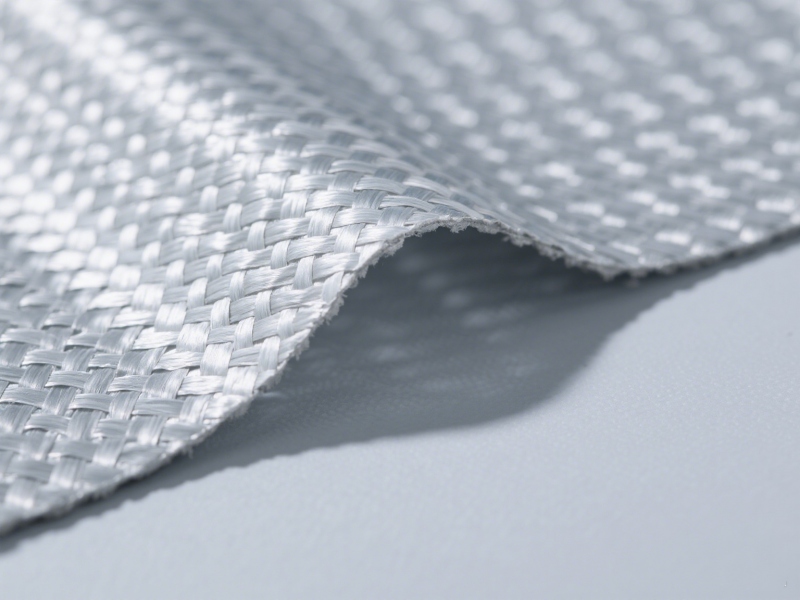
Plain weave fiberglass cloth provides a tight and balanced structure for composite laminates, with warp and weft yarns interlacing in a simple over-under pattern. This construction offers good stability and a flat, uniform surface, making it a common choice for flat panels, electrical laminates and general-purpose reinforcement.
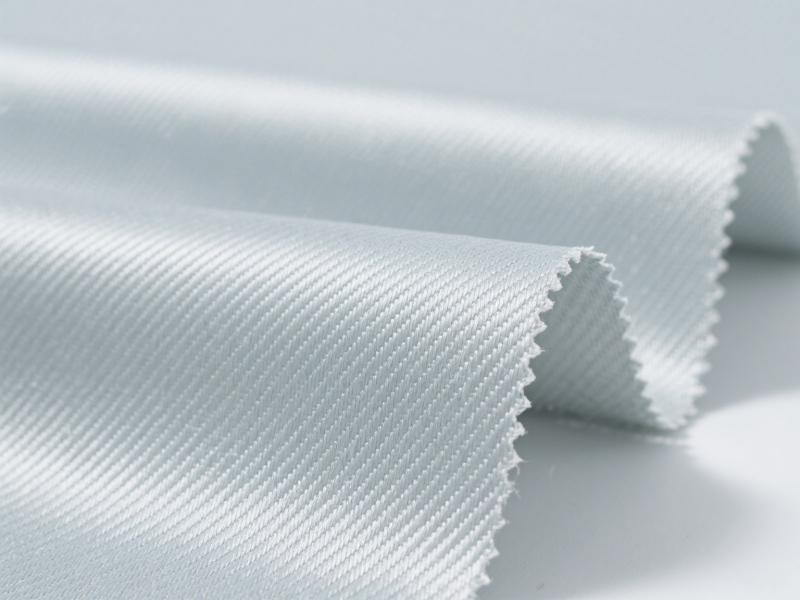
Twill weave fiberglass fabric offers better drapeability for curved composite parts, since the diagonal weave pattern allows the fabric to conform more easily around radii and contoured tooling. It is frequently specified for boat hulls, automotive panels and other applications involving compound curves.
For projects that require heavier reinforcement than standard woven cloth, fiberglass woven roving fabric is designed for high mechanical strength composite reinforcement. Woven from coarser roving yarns rather than fine filament yarns, this product builds laminate thickness quickly while maintaining good resin wet-out. Our woven roving fiberglass cloth provides stable reinforcement for FRP and molded products such as tanks, pipes, boat hulls and other hand lay-up or spray-up structures where build rate and strength are priorities.
High strength fiberglass woven fabric helps improve tensile strength and dimensional stability in the finished composite part. Consistent yarn tension and weave density across every roll mean predictable mechanical performance, batch after batch — an important factor for engineers qualifying a material for structural or load-bearing applications.
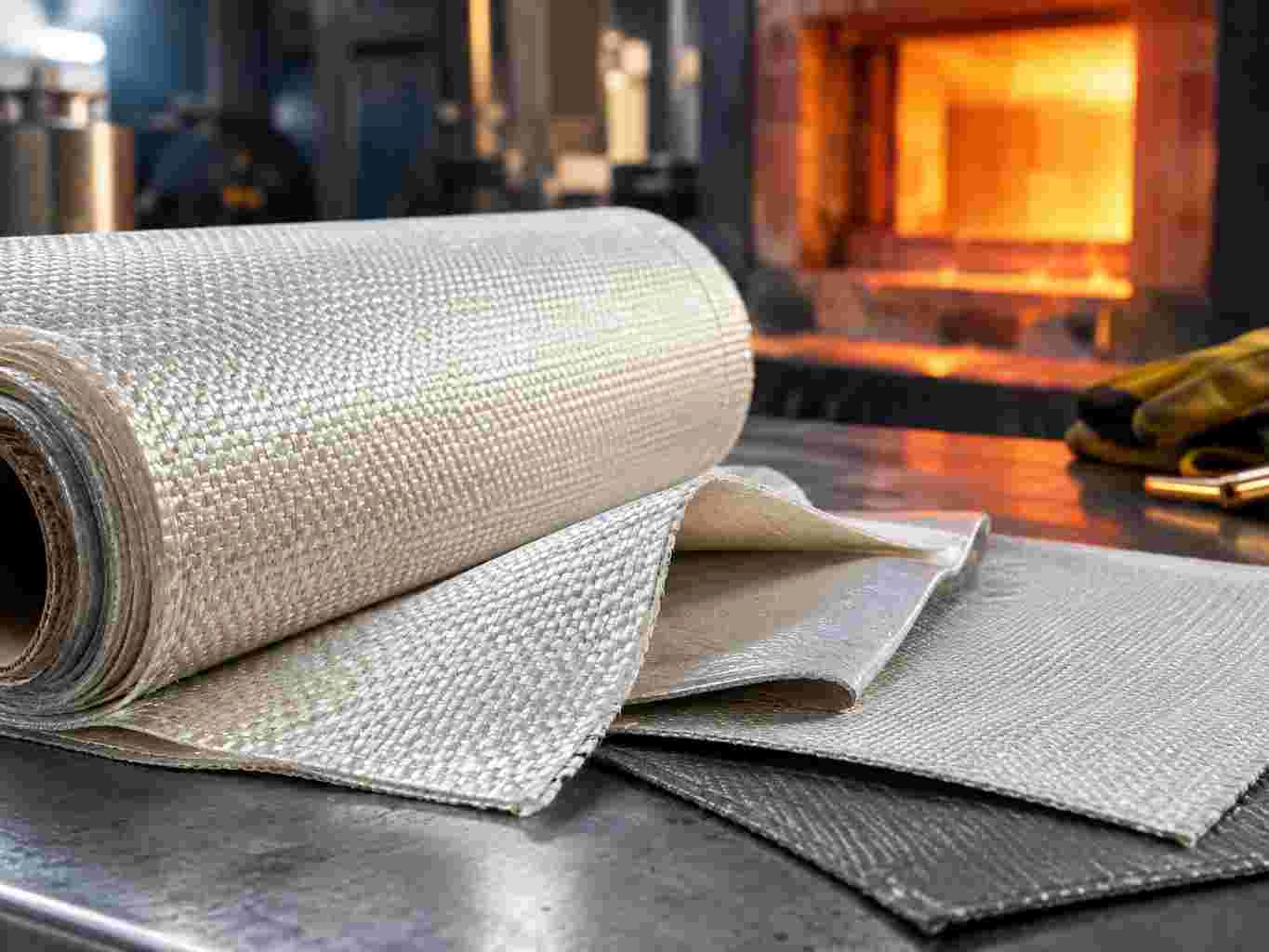
Heat resistant fiberglass cloth for insulation, thermal barriers and industrial protection is one of the most requested properties in our product line. Because glass fiber itself does not burn and retains its structure at elevated temperatures, woven fiberglass fabric is widely specified anywhere a non-combustible, heat-stable barrier is required, from industrial insulation to fire-rated building products.
Fiberglass cloth for composite reinforcement improves strength in resin-based laminates, and remains the core application for our woven fabrics. From hand lay-up to vacuum infusion and prepreg processing, our fabrics are engineered to wet out evenly and bond consistently with epoxy, polyester and vinyl ester resin systems.
Fiberglass cloth for insulation blankets provides heat resistance and dimensional stability, supporting use as a facing or reinforcing layer on removable insulation jackets, pipe lagging and equipment covers. More broadly, thermal insulation fiberglass fabric is used as a functional barrier in demanding environments, including furnace curtains, welding blankets and high-temperature duct insulation.
Fiberglass cloth for resin laminating provides stable wet-out and reinforcement performance across hand lay-up, vacuum bagging and pultrusion processes. Consistent sizing and finish chemistry on the fabric surface help resin penetrate evenly through the weave, reducing voids and supporting a stronger fiber-to-resin bond in the cured laminate.
In construction and roofing applications, fiberglass cloth for waterproof membrane reinforcement improves puncture resistance and stability, helping waterproofing membranes resist tearing and dimensional movement over the service life of the roof or substrate.
Custom fiberglass woven fabric is available in multiple yarn types, weave patterns, widths and GSM, and our engineering team can adjust specifications to match an existing approved material, a new project requirement, or a target cost point. For partners who require production under their own specification or branding, OEM fiberglass woven fabric produced for industrial composites, insulation and reinforcement projects is supported from initial sampling through to full production runs. As a fiberglass fabric OEM supplier for custom weave, width, GSM and packaging requirements, we are equipped to manage private-label packaging, custom roll lengths and project-specific documentation.
Fiberglass fabric wholesale for distributors, converters and composite manufacturers is supported with tiered pricing based on order volume, roll specification and shipping terms. We welcome inquiries for fiberglass woven fabric bulk orders, samples and custom specifications, and can provide sample rolls for qualification testing before a full production order is confirmed.
Q.What is the difference between E-glass and S-glass fiberglass woven fabric?
E-glass is the standard, cost-effective option used across most general reinforcement and insulation applications, while S-glass delivers higher tensile strength and modulus for demanding structural composites where weight and performance outweigh cost considerations.
Q.Can you supply custom widths, weights and weave patterns?
Yes. As a custom and OEM fiberglass woven fabric manufacturer, we adjust GSM, width, yarn type and weave pattern (plain, twill or woven roving) to match your specification, and can match an existing approved material on request.
Q.Do you offer plain weave and twill weave options?
Both are available. Plain weave is generally specified for flat panels and general-purpose reinforcement, while twill weave is recommended where the fabric needs to drape over curved or contoured tooling.
Q.Is fiberglass woven fabric suitable for high-temperature applications?
Yes. Woven fiberglass fabric is non-combustible and maintains structural stability at elevated temperatures, which is why it is widely used for insulation blankets, thermal barriers and other heat-resistant industrial applications.
Q.How can I request fiberglass woven fabric factory pricing?
Please request fiberglass woven fabric factory price based on GSM, width, weave pattern and order quantity, along with your preferred glass type and any application details. This allows us to provide an accurate quotation and recommend the most suitable specification.
Q.Do you accept bulk and wholesale orders?
Yes. Contact us for fiberglass woven fabric bulk orders, samples and custom specifications, and we will confirm lead time, packaging and shipping options based on your order volume and destination.
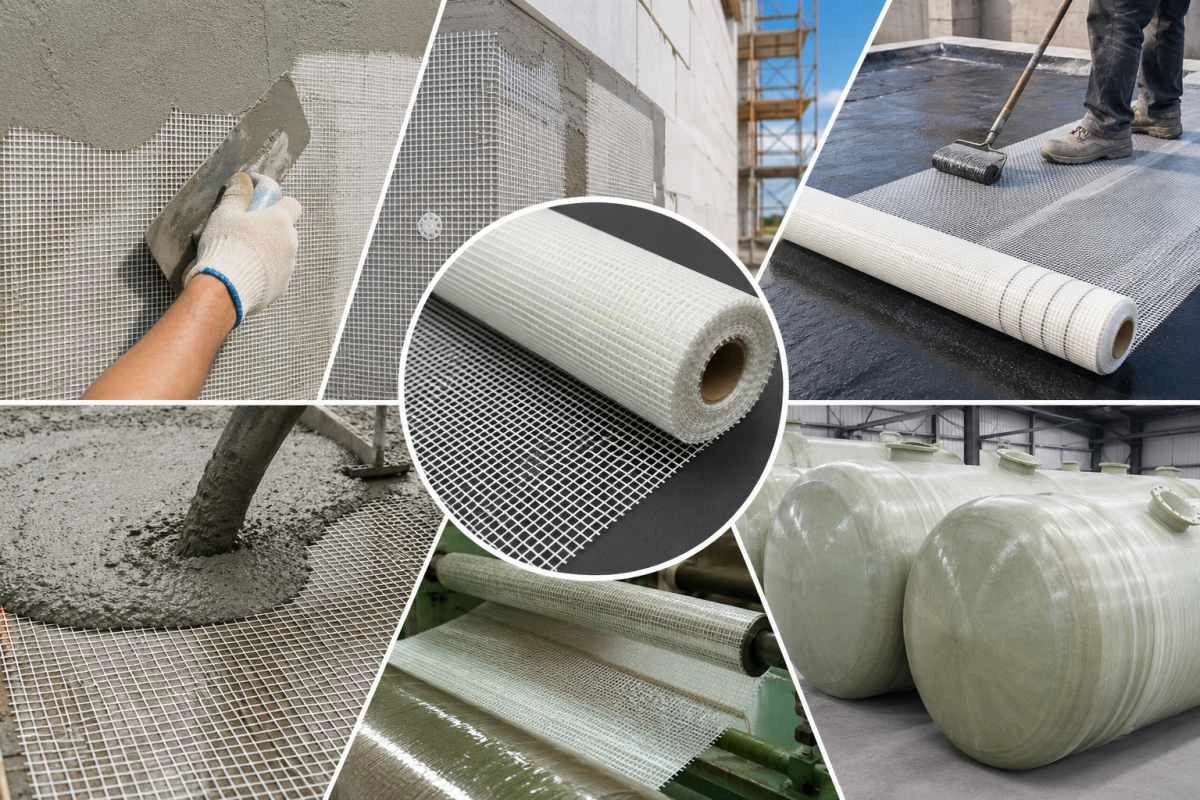
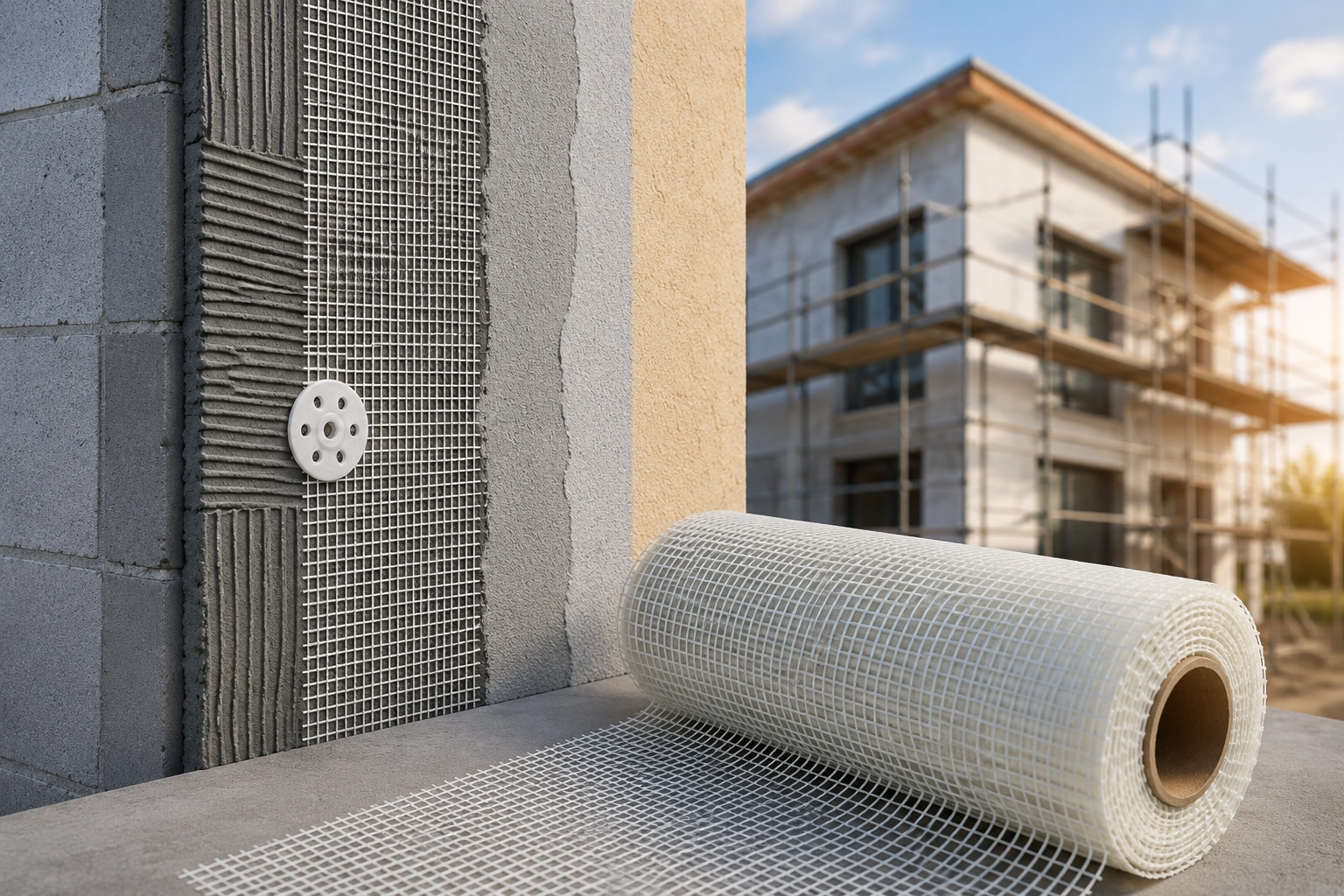
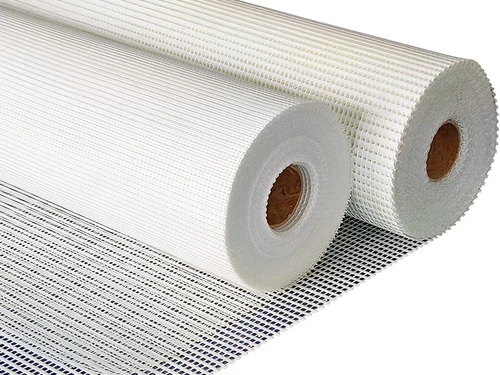
Fiberglass mesh roll manufacturer offering white coated mesh for reinforcement and protection, supplying construction material distributors, waterproofing contractors and composite processors with consistent, ready-to-ship rolls. Every roll is alkali resistant fiberglass mesh designed for cement, gypsum and exterior wall reinforcement, built to hold its strength and dimensional accuracy after the coating, cutting and packaging stages — so what arrives on site matches what was specified.
PVC coated fiberglass mesh provides reinforcement and surface protection in construction systems, and is the standard specification across most of our roll production. The PVC coating locks the woven glass yarns in place at each intersection, protecting the mesh from alkaline attack during cement curing and from UV and moisture exposure once installed, while keeping the open mesh structure that allows mortar and coating compounds to key through properly.
| Specification | Typical Range |
|---|---|
| Mesh weight | 60 – 160 g/m² |
| Mesh opening | 4 mm × 4 mm / 5 mm × 5 mm / 8 mm × 8 mm and custom apertures |
| Coating | PVC (white, or color to match project specification) |
| Roll width | 1 m, 1.1 m, 1.25 m or custom width |
| Roll length | 50 m, 100 m or custom length |
High tensile fiberglass mesh fabric distributes stress and helps prevent cracking across the reinforced surface, which is the main reason it is specified over lighter, uncoated alternatives. Warp and weft yarns are interlaced and bonded under controlled tension so that load is shared evenly across the mesh rather than concentrating at a single point, reducing the risk of localized tearing during installation and over the long-term service life of the wall or render system.
Fiberglass mesh for concrete reinforcement provides crack control and dimensional stability, and is widely embedded into render coats, screeds and cement-based overlays. Because the mesh is alkali resistant, it maintains its tensile properties throughout the curing process and beyond, rather than losing strength as the cement hydrates — a common failure point with non-coated or non-alkali-resistant mesh products.
Fiberglass mesh for waterproofing improves puncture resistance in membranes and coatings, reinforcing liquid-applied and torch-on waterproofing systems against tearing during installation and against stress cracking as the substrate moves. It is commonly embedded between coating layers on roofs, balconies, basements and below-grade waterproofing systems where membrane integrity is critical.
Q.What roll sizes are available for PVC coated fiberglass mesh?
Standard rolls are supplied in 1 m, 1.1 m and 1.25 m widths with 50 m or 100 m lengths, and custom widths, lengths and core packaging can be arranged for bulk or project-specific orders.
Q.Is the mesh suitable for both cement and gypsum-based systems?
Yes. As an alkali resistant fiberglass mesh, it is formulated to retain tensile strength in cement, gypsum and other alkaline construction environments, making it suitable for render, EIFS, screed and drywall reinforcement applications.
Q.Can mesh weight and aperture be customized?
Yes. Mesh weight, opening size and PVC coating color can be adjusted to match the reinforcement strength and surface finish required for your project.
Q.Do you supply directly to contractors and distributors, or only in bulk?
As a fiberglass mesh roll manufacturer, we support both sample/small-quantity orders for evaluation and full bulk production runs for distributors and contractors with recurring volume needs.
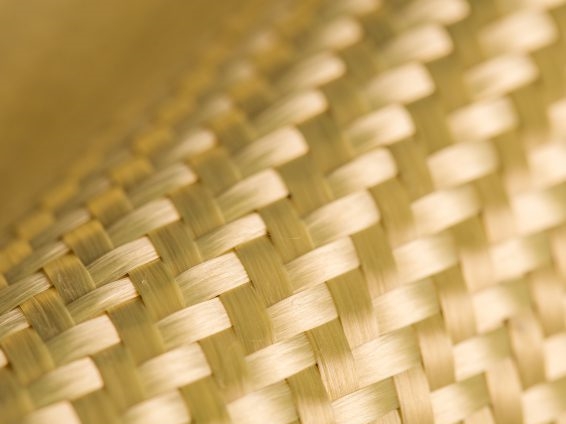
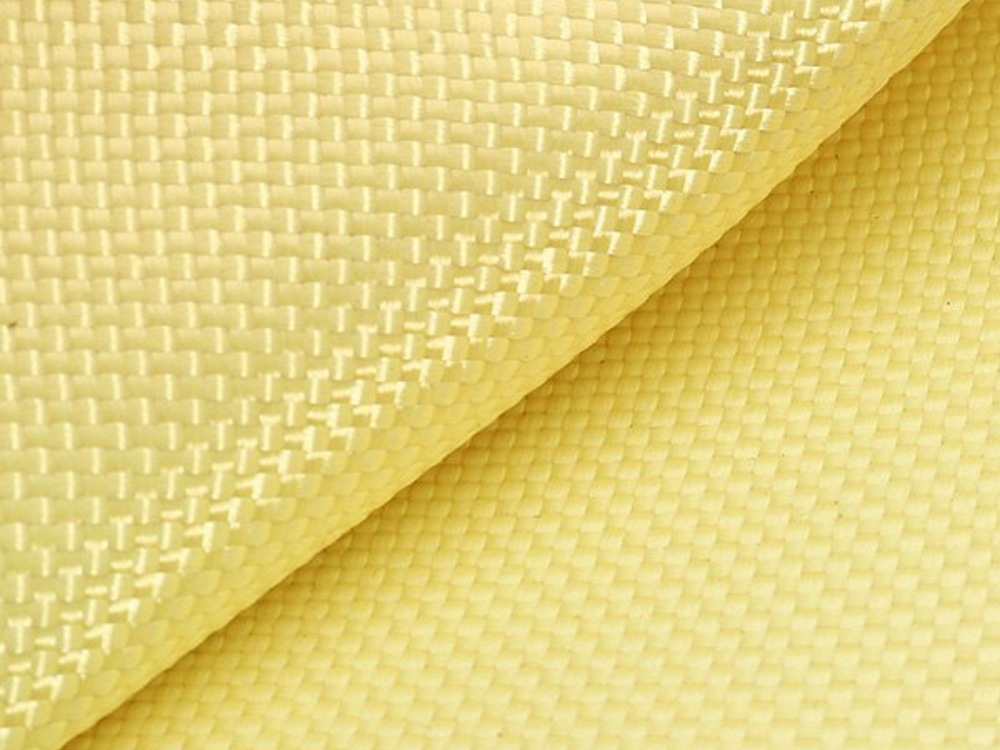
Aramid woven fabric supplier for protective, industrial and composite reinforcement applications, we produce woven aramid fabrics for buyers who need a material that holds its strength where conventional textiles fail — under heat, abrasion and repeated mechanical stress. As a Kevlar aramid fabric manufacturer offering high strength, heat resistant woven fabrics, we weave para-aramid yarn of the type used in Kevlar-grade applications into fabric constructions built to a defined tensile and thermal specification, not a generic "aramid cloth" label.
Kevlar® is a registered trademark of DuPont. References to Kevlar-type or Kevlar-grade aramid describe the performance class of para-aramid fiber used, and are not a claim of DuPont-branded material unless specifically confirmed for your order.
Heat resistant aramid cloth is suitable for fire safety, industrial protection and insulation, performing where ordinary synthetic or natural fiber textiles would melt, shrink or ignite. Para-aramid fiber does not melt and maintains usable mechanical properties at sustained high temperatures, which is why woven aramid cloth is specified for welding blankets, furnace curtains, protective garments and other barriers positioned between a heat source and the equipment or personnel behind it.
Aramid fabric for ballistic protection is used in protective backing and reinforcement layers, typically as one ply within a multi-layer soft armor or protective panel system rather than as a standalone finished product. Woven para-aramid fabric is valued in these constructions for its high strength-to-weight ratio and its ability to help distribute and absorb impact energy across the fabric structure. Specifications for this application are confirmed on a project basis in line with the relevant protective performance standard.
Aramid fabric for brake pads supports heat resistance and structural reinforcement, and is used as a reinforcing fiber layer in friction material formulations for automotive and industrial brake and clutch components. The fiber's thermal stability and mechanical strength help the friction compound maintain consistent performance and structural integrity under the repeated heat cycling generated during braking.
Q.Is your Kevlar aramid fabric genuine DuPont Kevlar® material?
"Kevlar-grade" refers to the performance class of para-aramid fiber used in the fabric. Please confirm with our team if you specifically require fabric woven from DuPont-branded Kevlar® yarn, as this is sourced and quoted separately from our standard para-aramid product line.
Q.What weave patterns and weights are available for aramid woven fabric?
We supply plain and basket weave aramid fabric, with GSM, width and yarn count adjusted to match heat-resistance, abrasion-resistance or reinforcement requirements for your application.
Q.Can aramid fabric be supplied for ballistic or protective panel projects?
Yes, woven aramid fabric can be supplied as a reinforcement or backing layer for protective panel systems. Final specification is confirmed per project in line with the relevant protective performance standard required by your application.
Q.Do you supply aramid fabric for friction material and brake pad manufacturers?
Yes. We supply aramid fabric used as a reinforcing fiber layer in brake pad and clutch friction material formulations, with consistent fiber quality to support stable friction compound performance.
Kevlar mesh fabric supplier for filtration, protection and composite reinforcement, we weave para-aramid yarn into open-mesh constructions for buyers who need the strength and heat resistance of aramid fiber without the closed, solid weave of standard aramid cloth. As an aramid mesh fabric manufacturer producing open-mesh para-aramid reinforcement materials, we control mesh aperture, yarn count and weave tightness in-house, so each roll is built to the structural or filtration specification it is intended for.
Kevlar® is a registered trademark of DuPont. References to Kevlar mesh describe mesh fabric woven from para-aramid fiber of the Kevlar performance class, and are not a claim of DuPont-branded yarn unless specifically confirmed for your order.
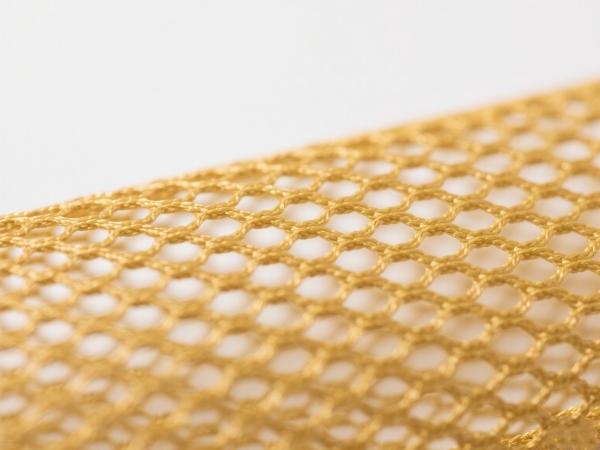
Unlike tightly woven aramid cloth, aramid mesh fabric is constructed with a defined open aperture between warp and weft yarns, allowing air, liquid or particulate to pass through the structure while the para-aramid yarn itself retains its tensile strength and thermal stability. This open-mesh geometry is what makes the material suitable for filtration and venting applications, while still functioning as a reinforcement layer where a lighter, more breathable structure is preferred over a solid fabric.
In high-temperature filtration systems, aramid mesh fabric is used where standard filter media would degrade under heat or chemical exposure. The defined open aperture supports consistent particulate capture, while the para-aramid yarn maintains its structural integrity in environments that would shorten the service life of conventional filter mesh.
For protective applications, aramid mesh fabric is used as a ventilated reinforcing or backing layer in garments and equipment where breathability matters alongside cut and heat resistance. The open structure allows airflow through the material, which is a practical advantage over solid aramid cloth in applications worn close to the body or used in hot working environments.
As a reinforcement layer in composite lay-ups, aramid mesh fabric is selected when a lighter, more open structure is preferred over solid woven cloth, allowing resin to flow more freely through the mesh during infusion while still contributing tensile strength and impact resistance to the finished laminate.
Q.What is the difference between aramid mesh fabric and aramid cloth?
Aramid cloth is a tightly woven, solid fabric, while aramid mesh fabric has a defined open aperture between yarns, allowing air, liquid or particulate to pass through while the fabric still retains the strength and heat resistance of para-aramid fiber.
Q.Can mesh aperture and yarn count be customized?
Yes. As an aramid mesh fabric manufacturer, we adjust mesh aperture, yarn count and weave tightness to match your filtration micron rating, reinforcement requirement or breathability target.
Q.Is your Kevlar mesh fabric woven from genuine DuPont Kevlar® yarn?
"Kevlar mesh" describes mesh fabric woven from para-aramid yarn of the Kevlar performance class. Please confirm with our team if you specifically require fabric woven from DuPont-branded Kevlar® yarn, as this is sourced and quoted separately from our standard para-aramid product line.
Q.What roll widths and minimum order quantities are available?
Standard and custom roll widths are available, with minimum order quantity depending on mesh specification. Sample rolls can be arranged for filtration, protective or composite trials before a full production order is confirmed.
Industrial polyester woven fabric offers strength, corrosion resistance and dimensional stability, which is why it remains one of the most widely specified synthetic woven materials across industrial, technical and protective applications. We weave polyester filament and staple yarns into fabric constructions engineered for durability under repeated mechanical stress, moisture exposure and dimensional change — performance characteristics that go well beyond what the apparel-grade version of the material is built for.
Polyester fiber's inherent low moisture absorption, good tensile strength and resistance to chemical and biological degradation make it a dependable base material wherever a fabric needs to hold its shape, strength and finish over a long service life. Compared with natural fiber alternatives, industrial polyester woven fabric resists rot, mildew and most common industrial chemicals, while maintaining tighter dimensional tolerances under heat and humidity — properties that matter directly to engineers specifying material for load-bearing or outdoor-exposed applications.
| Fields | Scenarios | Performance |
|---|---|---|
| Apparel & Textile | Sportswear, Outdoor jackets, Shirts | Lightweight, Quick-drying, UV resistant |
| Home Decoration | Curtains, Sofas, Bedding | Wrinkle-resistant, UV-resistant, Flame-resistant |
| Industrial Materials | Conveyor belts, Filter fabrics, Geogrids | High strength, Corrosion resistance, Dimensional stability |
| Medical Protection | Surgical gowns, Protective masks (outer layer) | Liquid barrier properties, Anti-static properties |
| Parameters | Polyester Woven Fabric | Cotton Woven Fabric | Nylon Woven Fabric |
|---|---|---|---|
| Density (g/cm³) | 1.38 | 1.54 | 1.14 |
| Tensile strength (MPa) | 50–80 (filament) | 20–40 | 60–100 |
| Moisture absorption (%) | 0.4 | 8–10 | 4.5 |
| Abrasion resistance (Martindale cycles) | 10,000–30,000 | 2,000–5,000 | 15,000–50,000 |
| Thermal shrinkage at 150°C (%) | <3% | High shrinkage tendency | 5–8% |
Polyester woven fabric for conveyor belts provides strength and dimensional stability, which is exactly what the carcass layer of a conveyor belt needs to perform reliably under continuous tension, repeated flexing and varying load. Low moisture absorption keeps the fabric's strength and dimensions consistent even in damp or washdown environments, while the fiber's high tensile strength and low elongation under load help the belt resist stretching out of specification over its service life — a common failure mode with lower-grade reinforcement fabrics.
Beyond conveyor belting, the same property set extends naturally to other industrial reinforcement uses, including filter fabrics where dimensional stability under repeated wash cycles matters, and geogrids where long-term tensile performance under sustained load is the primary design requirement.
Q.How does industrial polyester woven fabric compare to cotton or nylon woven fabric?
Polyester offers a balanced profile of moderate density, good tensile strength and very low moisture absorption compared with cotton, while nylon generally offers higher tensile strength and abrasion resistance but greater moisture absorption and thermal shrinkage than polyester.
Q.Is polyester woven fabric suitable for conveyor belt carcass reinforcement?
Yes. Polyester woven fabric for conveyor belts is widely used as a carcass reinforcement layer because of its high tensile strength, low elongation under load and low moisture absorption, which together support dimensional stability over the belt's service life.
Q.Can GSM, weave pattern and width be customized for industrial applications?
Yes. GSM, weave pattern and width can be adjusted to match the tensile, abrasion or filtration requirement of your specific industrial application, whether for conveyor belting, filter fabric or geogrid reinforcement.
Q.How does polyester woven fabric perform under heat compared to nylon?
Polyester generally shows lower thermal shrinkage than nylon at elevated temperatures (under 3% versus 5–8% for nylon at 150°C), which supports better dimensional stability in applications exposed to repeated heat cycling.