


Understanding the Lifespan of Different Woven Fabrics
Woven fabrics are engineered for durability, with applications that span various industries, including construction and automotive. Among the different types, Fiberglass Woven Fabric, Aramid Woven Fabric, and Polyester Woven Fabric stand out due to their unique properties. Each of these fabrics offers distinct advantages in terms of strength, resistance to environmental factors, and longevity.
Fiberglass Woven Fabric
Known for its high-temperature resistance and structural integrity, fiberglass is a go-to material for industries like aerospace, construction, and electrical insulation.
Aramid Woven Fabric
Aramid fibers, such as Kevlar, offer exceptional strength and heat resistance, making them ideal for use in military, automotive, and protective gear applications.
Polyester Woven Fabric
Offering a balance between strength and flexibility, polyester woven fabric is widely used in textiles, upholstery, and industrial applications where moderate durability is required.
In this article, we will explore how long each fabric lasts under various conditions, factors influencing their lifespan, and their best-suited applications.
Fiberglass Woven Fabric: Strength and Longevity in Harsh Conditions
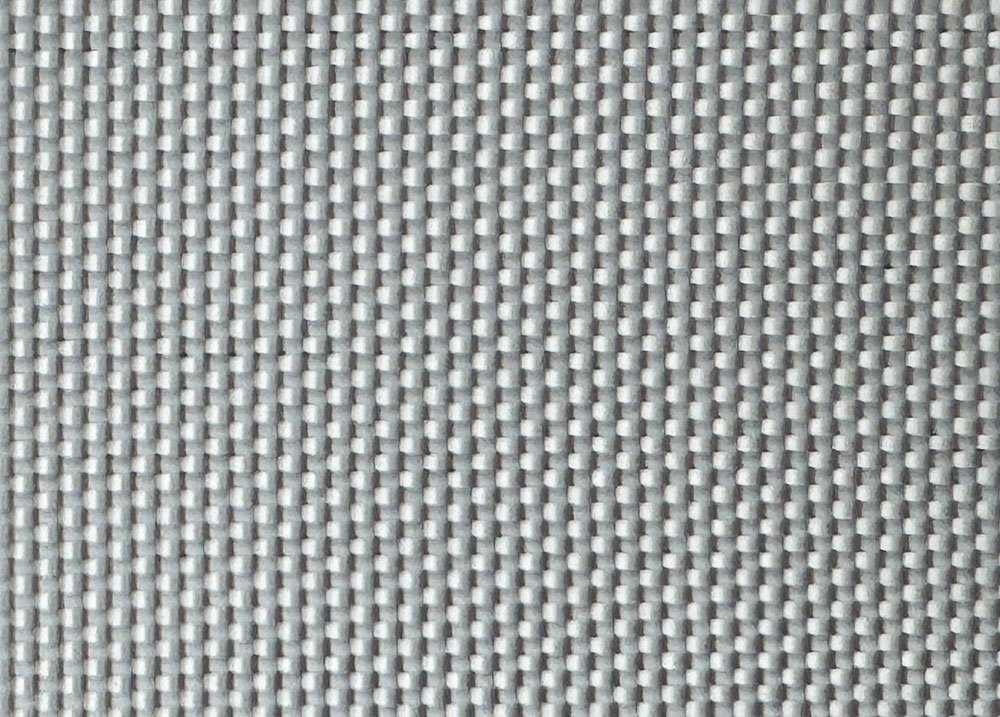
Fiberglass woven fabric is renowned for its remarkable ability to withstand high temperatures, making it an essential material in industries where heat resistance is a priority. The primary components of fiberglass, silica and glass fibers, offer exceptional structural strength while remaining lightweight.
• Temperature Resistance: Fiberglass can endure temperatures up to 1000°F (538°C) without losing its integrity, making it ideal for insulation in industrial settings and automotive parts.
• Resistance to Corrosion: This fabric is highly resistant to moisture, chemicals, and environmental factors, ensuring its longevity in harsh environments such as factories, marine settings, and electrical installations.
• Lifespan: Fiberglass woven fabric can last up to 15 years or more when maintained properly, depending on exposure to environmental factors like UV radiation or mechanical wear.
Common uses of fiberglass woven fabric include insulation materials, boat building, and protective industrial covers. Its durability is particularly evident in areas where extreme heat or corrosive substances are present.
Aramid Woven Fabric: Durability in Extreme Environments

Aramid woven fabric, made from synthetic aramid fibers like Kevlar, is known for its outstanding tensile strength and high heat resistance. These fabrics are designed to perform well in extreme conditions that demand superior performance in terms of strength and durability.
• High Tensile Strength: Aramid fabrics are stronger than steel on a weight-for-weight basis. This makes them ideal for applications that require lightweight yet strong materials, such as body armor, ropes, and tires.
• Heat Resistance: Aramid fibers can withstand continuous temperatures of up to 600°F (315°C), and they are highly resistant to abrasion, cutting, and impact, which extends the fabric’s lifespan in demanding industries.
• Lifespan: Under typical usage, aramid woven fabrics can last 5-10 years, depending on the severity of exposure to heat, chemicals, and physical stress. Proper maintenance, such as cleaning and storage, can enhance their durability.
Aramid fabrics are used in protective clothing, aerospace applications, and other high-performance environments where safety and reliability are paramount.
Polyester Woven Fabric: A Comparison of Durability

Polyester woven fabric is a versatile material that offers a balance between strength and flexibility. While not as heat-resistant as fiberglass or aramid, polyester is highly durable in terms of resistance to UV degradation, moisture, and abrasion.
• UV Resistance: Polyester is highly resistant to UV rays, making it an excellent choice for outdoor applications such as tents, upholstery, and awnings.
• Moisture Resistance: Polyester woven fabric also resists moisture absorption, making it suitable for environments exposed to water or humidity. However, its heat resistance is not as strong as fiberglass or aramid.
• Lifespan: Polyester woven fabric typically lasts between 5 and 10 years, depending on environmental conditions. It is more prone to degradation when exposed to prolonged high temperatures or harsh chemicals, but regular maintenance can help prolong its lifespan.
Polyester is often found in applications like clothing, industrial fabrics, and home furnishings, where moderate durability and flexibility are required.
Comparing the Durability of Fiberglass, Aramid, and Polyester Fabrics
The following table compares the durability of Fiberglass Woven Fabric, Aramid Woven Fabric, and Polyester Woven Fabric based on several key factors:
| Durability Factor | Fiberglass Woven Fabric | Aramid Woven Fabric | Polyester Woven Fabric |
| Temperature Resistance | Up to 1000°F (538°C) | Up to 600°F (315°C) | Moderate, typically up to 450°F (232°C) |
| UV Resistance | Moderate | Excellent | Excellent |
| Moisture Resistance | Excellent | Moderate | Excellent |
| Abrasion Resistance | Good | Excellent | Good |
| Lifespan (under normal use) | 15+ years | 5-10 years | 5-10 years |
