

Exterior wall systems are constantly exposed to sunlight, moisture, temperature changes, and physical stress. Because of this, builders and contractors are paying more attention to reinforcement materials that can improve durability without adding excessive weight or cost. One material that has gained wide acceptance in recent years is Fiberglass Woven Mesh Fabric.
From exterior insulation finishing systems (EIFS) to waterproofing and wall reinforcement, fiberglass woven mesh fabric has become a practical solution for modern construction projects. Its balance of strength, flexibility, corrosion resistance, and easy installation makes it a preferred choice for many builders worldwide.
What Is Fiberglass Woven Mesh Fabric?
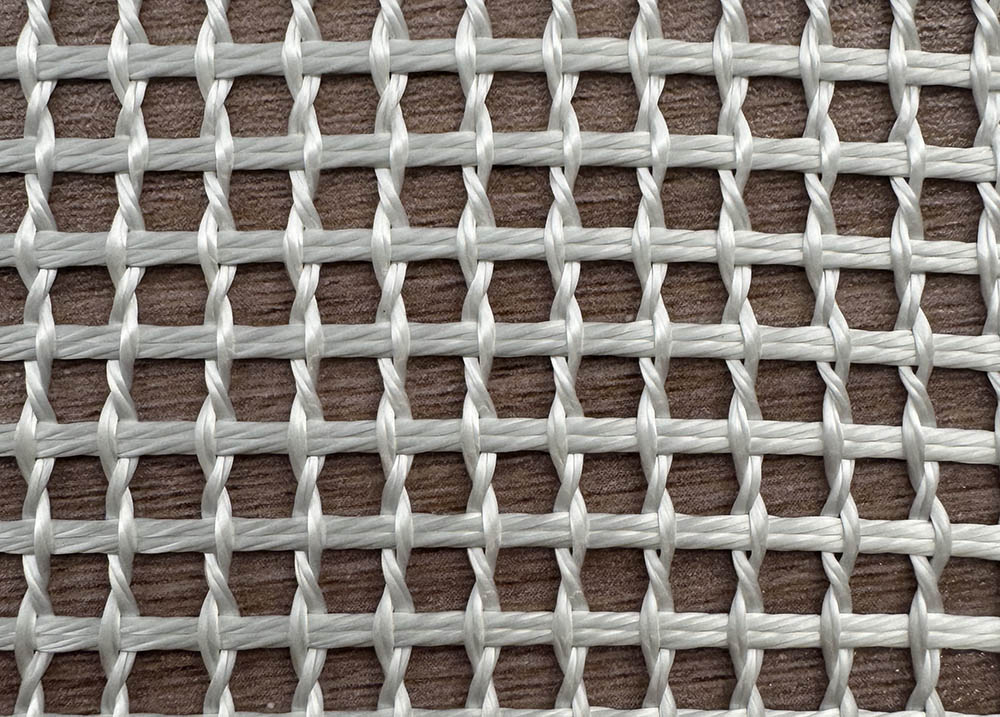
Fiberglass woven mesh fabric is a reinforcement material made from woven fiberglass yarns. It is usually coated with alkali-resistant materials to improve durability in cement-based environments. The mesh structure allows it to distribute stress evenly across surfaces, helping prevent cracking and improving the stability of wall systems.
Builders commonly use it in:
-
Exterior wall reinforcement
-
EIFS systems
-
Waterproofing layers
-
Roofing applications
-
Cement and plaster reinforcement
-
Tile backing systems
Compared with traditional reinforcement materials, fiberglass mesh is lightweight yet highly durable, making installation easier and more efficient.
Why Builders Prefer Fiberglass Woven Mesh Fabric
One major reason builders choose fiberglass woven mesh fabric is its ability to reduce wall cracking. Exterior walls naturally expand and contract due to weather changes. Without proper reinforcement, plaster and coatings may crack over time.
Fiberglass mesh helps absorb and distribute stress, making wall surfaces more stable.
Another advantage is corrosion resistance. Unlike metal mesh, fiberglass does not rust when exposed to moisture. This is especially important in humid or coastal environments where metal materials may deteriorate more quickly.
In addition, builders appreciate the material’s lightweight structure. Large construction projects often require fast installation and reduced labor costs. Fiberglass woven mesh fabric is easier to transport, cut, and apply compared with heavier reinforcement materials.
Comparison of Common Reinforcement Materials
| Feature | Fiberglass Woven Mesh Fabric | Metal Mesh | Plastic Mesh |
| Crack Resistance | Excellent | Good | Moderate |
| Corrosion Resistance | Excellent | Weak in humid areas | Good |
| Weight | Lightweight | Heavy | Very Light |
| Durability | High | High | Medium |
| Installation Efficiency | Easy | More difficult | Easy |
| Cost Performance | High | Medium | Medium |
As the table shows, fiberglass woven mesh fabric offers a balanced combination of durability, strength, and convenience, which explains its growing popularity in exterior systems.
Better Performance in Modern Exterior Systems
Modern buildings require materials that support energy efficiency and long-term durability. Exterior insulation systems, for example, need reinforcement layers that remain stable even after years of exposure to weather.
Fiberglass woven mesh fabric works particularly well in these systems because it maintains dimensional stability while supporting insulation layers. Builders often mention that properly reinforced exterior systems require fewer repairs over time.
Some contractors also report smoother plaster application when using fiberglass mesh. The material helps create a more even surface, improving the appearance of finished walls.
A Practical Experience from Construction Projects
Many builders first choose fiberglass woven mesh fabric because of technical specifications, but they continue using it because of practical experience.
For example, on large residential projects, installers often notice that the mesh is easier to handle and cut on-site. This reduces installation fatigue and improves working efficiency.
In renovation projects, fiberglass mesh is also useful because it can reinforce aging wall surfaces without adding significant structural weight. Some users mention that after switching from metal mesh to fiberglass mesh, they experienced fewer callbacks related to wall cracking.
Although the material itself may seem simple, its long-term impact on maintenance costs can be significant.
Common Questions from Buyers
Q: Will fiberglass woven mesh fabric break easily during installation?
High-quality fiberglass mesh is designed to maintain tensile strength during handling and plaster application. Alkali-resistant coatings also improve durability in cement environments.
Q: Is it suitable for humid climates?
Yes. One of the biggest advantages of fiberglass mesh is its resistance to moisture and corrosion, making it suitable for coastal and rainy regions.
Q: Can it improve wall lifespan?
It helps reduce surface cracking and improves reinforcement performance, which may contribute to longer-lasting exterior wall systems.
Q: Is fiberglass mesh difficult to install?
Most contractors find it relatively easy to install because it is lightweight and flexible.
Builders today are looking for construction materials that offer reliable performance, easier installation, and long-term value. Fiberglass woven mesh fabric meets these expectations by combining strength, crack resistance, corrosion resistance, and practical handling advantages.
Whether used in new construction or renovation projects, it has become an important reinforcement material for exterior systems. As building standards continue to evolve, fiberglass woven mesh fabric is likely to remain a preferred solution for contractors seeking durable and efficient wall reinforcement materials.
