


Fiberglass woven fabric has become one of the most widely used reinforcement materials in modern manufacturing and composite engineering. From lightweight vehicle panels to surfboards and industrial molds, its versatility allows it to meet the demands of industries that require both structural strength and weight reduction.
As manufacturers continue searching for materials that balance durability, efficiency, and production flexibility, fiberglass woven fabric remains a preferred solution. Its compatibility with multiple resin systems, combined with strong mechanical performance and relatively low weight, makes it suitable for both large-scale industrial production and specialized custom fabrication.
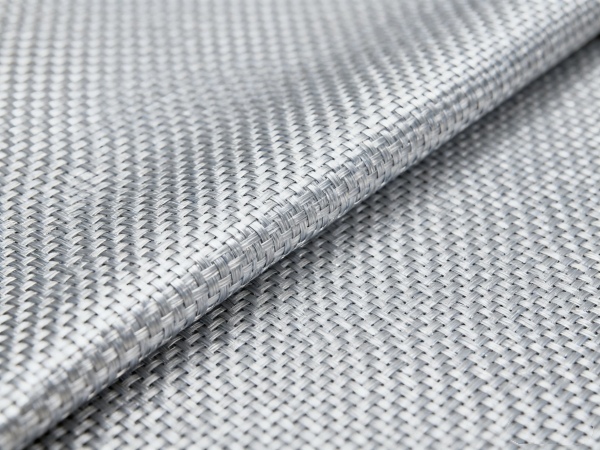
Understanding Fiberglass Woven Fabric
Fiberglass woven fabric is produced by weaving continuous glass fibers into a stable textile structure. Unlike chopped strand mat (CSM), which contains randomly distributed fibers held together with binders, woven fabric uses continuous filaments arranged in organized patterns. This structure provides improved mechanical strength and better load distribution.
Because the fibers remain continuous throughout the fabric, the material is capable of handling higher tensile forces while maintaining dimensional stability. The absence of binders also allows better resin penetration and cleaner laminate construction during composite manufacturing.
Modern fiberglass woven fabrics are commonly compatible with several major resin systems, including:
- Polyester resin
- Epoxy resin
- Vinyl ester resin
This broad compatibility allows manufacturers to adapt the material for different performance requirements, production methods, and cost targets.
Why Industries Continue to Adopt Fiberglass Woven Fabric
The increasing popularity of fiberglass woven fabric is closely linked to the global shift toward lightweight and high-strength materials. Many industries now prioritize reducing weight without sacrificing structural integrity, especially in transportation and advanced composite applications.
Fiberglass woven fabric addresses this challenge effectively because it combines several important characteristics within a single material system.
Strong Yet Lightweight Structure
One of the biggest advantages of fiberglass woven fabric is its ability to provide excellent reinforcement without excessive mass. Traditional materials such as steel or thick wood structures often add significant weight to finished products, limiting efficiency and handling performance.
Fiberglass composites reinforced with woven fabric offer a more balanced solution. The material provides structural support while remaining comparatively lightweight, making it especially useful in products where mobility, speed, or fuel efficiency matters.
This characteristic is particularly valuable in:
- Vehicle body panels
- Remote-control aircraft structures
- Marine applications
- Sporting equipment
- Aerospace-related components
For example, in remote-control aircraft wings and fuselages, excessive weight can dramatically affect flight stability and maneuverability. Fiberglass woven fabric helps manufacturers create rigid yet lightweight structures that improve aerodynamic performance.
Superior Mechanical Performance Compared with CSM
Compared with chopped strand mat, woven fiberglass fabric typically delivers better mechanical properties due to its continuous fiber arrangement.
Structural Advantages of Continuous Fibers
| Property | Fiberglass Woven Fabric | Chopped Strand Mat (CSM) |
| Fiber Structure | Continuous woven fibers | Random short fibers |
| Mechanical Strength | Higher | Moderate |
| Load Distribution | More uniform | Less consistent |
| Dimensional Stability | Better | Lower |
| Surface Finish | Cleaner | Rougher |
| Resin Efficiency | More controlled | Higher resin consumption |
Because woven fabric distributes stress more efficiently across the laminate, it is often chosen for applications requiring greater rigidity and durability.
This advantage becomes especially important in structural composite products exposed to repeated loading, vibration, or environmental stress.
Improved Resin Compatibility and Processing Flexibility
Another reason fiberglass woven fabric continues gaining popularity is its compatibility with multiple resin systems. Different industries require different chemical and mechanical properties, and woven fiberglass adapts well to these varying production needs.
Polyester resin is often selected for cost-effective general manufacturing. Epoxy resin provides stronger bonding and higher performance for demanding structural applications. Vinyl ester resin offers improved corrosion resistance and chemical durability.
The ability to work effectively with all three systems gives fiberglass woven fabric exceptional flexibility across industries.
Manufacturers also appreciate the predictable wet-out behavior of woven fabrics during lamination. Because there are no binder materials interfering with resin penetration, the fabric allows more controlled saturation and improved laminate consistency.
Durability in Demanding Environments
Fiberglass woven fabric is also valued for its long-term durability. Composite structures reinforced with woven fiberglass can withstand challenging operating conditions while maintaining structural performance.
Depending on the resin system used, the material may provide resistance to:
- Moisture exposure
- Corrosion
- UV exposure
- Temperature fluctuations
- Impact stress
- Fatigue loading
This durability makes fiberglass woven fabric suitable for both indoor and outdoor applications, including marine products, automotive parts, and industrial tooling.
In surfboards and small boats, for instance, the material must endure continuous exposure to water, sunlight, and mechanical stress. Fiberglass woven fabric helps create lightweight yet durable composite shells capable of handling these conditions over long periods.
Expanding Use in Composite Manufacturing
As composite manufacturing technologies continue evolving, fiberglass woven fabric is being integrated into an even broader range of products.
Its adaptability supports manufacturing methods such as:
- Hand lay-up
- Vacuum infusion
- Resin transfer molding
- Compression molding
- Filament reinforcement systems
Because the fabric can conform to complex shapes while maintaining strength, it is widely used in fiberglass molds and custom composite fabrication.
Manufacturers producing composite tooling often rely on woven fiberglass because stable fiber orientation helps maintain mold accuracy and structural rigidity during repeated production cycles.
Applications Driving Market Growth
The growing popularity of fiberglass woven fabric is strongly connected to the expansion of lightweight composite industries.
Common Applications
Remote-Control Aircraft
In RC wings and fuselages, fiberglass woven fabric improves structural stiffness while minimizing weight, helping optimize flight performance and handling precision.
Vehicle Panels
Automotive and transportation industries use fiberglass composites to reduce vehicle weight while maintaining panel strength and durability.
Surfboards and Small Boats
Marine products benefit from the material’s combination of lightweight construction, water resistance, and structural reliability.
Fiberglass Molds and Composite Tooling
Woven fiberglass helps create rigid molds capable of supporting repeated manufacturing cycles with good dimensional stability.
These applications continue expanding as industries seek alternatives to heavier traditional materials.
Cost Efficiency and Production Advantages
While advanced carbon fiber materials often receive attention for high-performance applications, fiberglass woven fabric remains attractive because it offers a more practical balance between cost and performance.
For many manufacturers, fiberglass provides sufficient strength without the significantly higher production costs associated with carbon composites.
Additional production advantages include:
- Easier handling during lamination
- Good material availability
- Lower manufacturing costs
- Broad processing compatibility
- Scalable production capability
This balance makes fiberglass woven fabric accessible for both industrial-scale manufacturers and smaller custom fabrication operations.
The Future of Fiberglass Woven Fabric
The demand for lightweight composite materials is expected to continue increasing across transportation, renewable energy, construction, marine, and industrial manufacturing sectors.
As production technologies improve, fiberglass woven fabrics are also evolving through:
- Optimized weave architectures
- Enhanced fiber treatments
- Improved resin compatibility
- Better surface finishing performance
- Higher structural efficiency
Manufacturers are increasingly focusing on producing materials that deliver stronger mechanical performance while maintaining processing efficiency and cost control.
Fiberglass woven fabric is likely to remain a core reinforcement material because it continues to satisfy these changing industrial requirements.
Final Thoughts
Fiberglass woven fabric continues gaining popularity across industries because it offers a highly effective combination of strength, lightweight performance, durability, and manufacturing flexibility. Its continuous fiber structure provides superior mechanical properties compared with chopped strand mat, while its compatibility with polyester, epoxy, and vinyl ester resins supports a wide range of composite applications.
From remote-control aircraft and vehicle panels to surfboards, boats, molds, and industrial composites, the material has proven its value in applications where reliable reinforcement and reduced weight are equally important.
As industries continue prioritizing efficiency, durability, and advanced composite solutions, fiberglass woven fabric is expected to remain an essential material in modern manufacturing and engineering.
