


With its combination of high strength, dimensional stability, and excellent resistance properties, Fiberglass Woven Fabric provides reliable reinforcement while maintaining a relatively lightweight structure. Understanding its characteristics and applications can help manufacturers choose the right material for their projects.
What Is Fiberglass Woven Fabric?
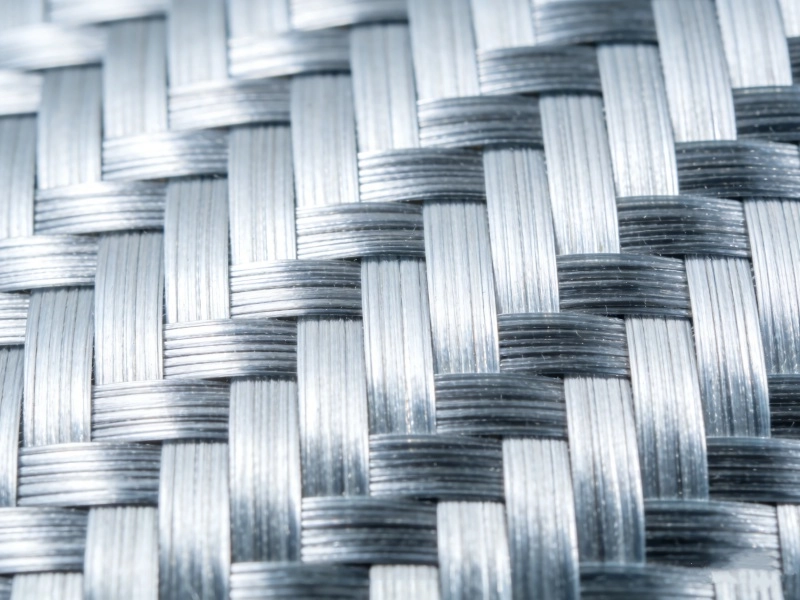
Fiberglass Woven Fabric is a reinforcement material made by weaving continuous glass fibers into a structured fabric. Unlike randomly arranged fiberglass materials, the woven structure provides better consistency and controlled mechanical performance.
During manufacturing, fiberglass yarns are woven into different patterns, such as plain weave, twill weave, or satin weave. Each weaving method can influence properties such as strength, flexibility, resin absorption, and surface appearance.
As a type of woven fiberglass fabric, it is commonly combined with resin systems to create fiberglass-reinforced composite materials. These composites are valued for their excellent strength-to-weight ratio and long service life.
Why Is Fiberglass Woven Fabric Popular in Industrial Applications?
The popularity of Fiberglass Woven Fabric comes from its ability to meet demanding industrial requirements. Compared with many traditional reinforcement materials, fiberglass offers a balanced combination of performance, cost efficiency, and processing flexibility.
High Strength and Excellent Reinforcement Performance
One of the most important advantages of Fiberglass Woven Fabric is its high tensile strength. The woven fiber structure helps distribute loads more evenly, improving the mechanical performance of composite products.
This makes it suitable for applications where structural stability is essential, including industrial equipment, transportation components, and construction materials.
For manufacturers producing composite parts, fiberglass fabric can provide reliable reinforcement without significantly increasing overall weight. This is especially valuable in industries where lightweight design and durability are both important.
Excellent Heat and Chemical Resistance
Industrial environments often involve exposure to heat, chemicals, moisture, or changing temperatures. Fiberglass Woven Fabric performs well under these conditions because glass fibers maintain their properties at relatively high temperatures and offer good chemical stability.
These characteristics make it suitable for applications such as thermal insulation systems, industrial protection materials, and components that require long-term environmental resistance.
Good Dimensional Stability
Another reason why Fiberglass Woven Fabric is widely adopted is its excellent dimensional stability. Unlike some materials that expand or shrink significantly due to temperature changes, fiberglass maintains its shape and structure during use.
This feature is especially important for precision composite manufacturing, where consistent dimensions directly affect product quality and performance.
Common Industrial Applications of Fiberglass Woven Fabric
Because of its versatile properties, Fiberglass Woven Fabric applications cover a wide range of industries. It is not limited to a single market but serves as an important reinforcement material for different manufacturing processes.
Common applications include:
- Composite manufacturing: Fiberglass fabric is widely used with epoxy, polyester, and other resins to produce strong composite parts for industrial equipment, vehicles, and marine products.
- Construction materials: It can be used for reinforcement systems, wall strengthening, roofing materials, and other building applications that require improved durability.
- Electrical and thermal insulation: Its heat resistance and non-conductive properties make it suitable for insulation applications.
- Automotive and transportation: Fiberglass composites help reduce weight while maintaining structural strength in various vehicle components.
The wide range of applications demonstrates why many manufacturers choose woven fiberglass fabric as a dependable reinforcement solution.
How to Choose the Right Fiberglass Woven Fabric?
Although fiberglass fabrics share similar characteristics, different products can have significant performance differences depending on fiber type, weave pattern, weight, and surface treatment.
When selecting a suitable Fiberglass Woven Fabric, manufacturers should consider several factors:
- Application requirements, including strength, flexibility, temperature resistance, and environmental exposure.
- Fabric specifications, such as weight (GSM), thickness, weave style, and compatibility with resin systems.
- Supplier capability, including production consistency, quality control, and customization options.
Choosing the correct fiberglass fabric is not only about finding a suitable material but also about ensuring stable performance throughout the product’s service life.
Why Work with an Experienced Fiberglass Woven Fabric Supplier?
For industrial buyers, supplier reliability is an important factor when sourcing reinforcement materials. A professional Fiberglass Woven Fabric manufacturer should have advanced production technology, strict quality control processes, and the ability to provide customized solutions according to different application requirements.
Experienced suppliers can help customers select suitable fabric specifications, optimize composite performance, and maintain consistent product quality for large-scale production.
Whether used for composite reinforcement, construction applications, or industrial protection, high-quality Fiberglass Woven Fabric can provide manufacturers with a practical balance of strength, durability, and cost efficiency.
Final Thoughts
The reason Fiberglass Woven Fabric is widely used in industrial applications is its unique combination of mechanical strength, heat resistance, chemical stability, and design flexibility. From composite manufacturing to construction and transportation, it continues to play an important role in improving product performance.
For companies looking for reliable reinforcement materials, choosing the right fiberglass fabric type and working with an experienced supplier can help achieve better quality, efficiency, and long-term value.
