


Fiberglass woven fabrics are widely used in composites, insulation, construction, marine, aerospace, and industrial applications. However, not all fiberglass fabrics are created equal. Quality variations in raw materials, weaving processes, finishing treatments, and quality control can significantly affect performance, durability, and safety.
As someone who has worked with fiberglass reinforcement materials for many years—both in manufacturing and in downstream composite processing—I have seen how poor-quality fabrics can lead to product failures, delamination, structural weakness, and increased production costs. This guide explains how to test the quality of fiberglass woven fabrics using professional methods and practical field checks.
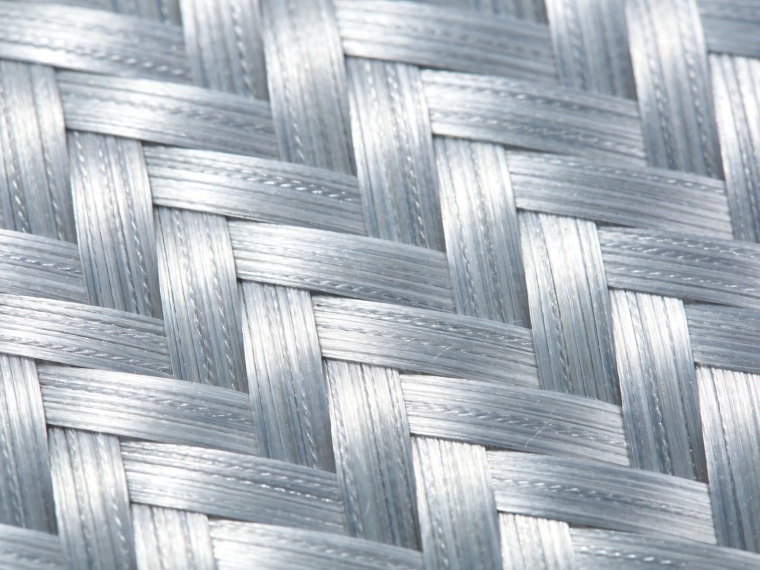
Raw Material and Weave Structure Inspection
The quality of fiberglass woven fabric starts with the glass fiber filaments and weaving structure. Even before laboratory testing, visual and structural inspection can reveal critical information.
Glass Fiber Filament Quality
High-quality fiberglass fabrics use consistent, defect-free filaments with controlled filament diameter and sizing formulation. Key indicators include:
• Uniform filament diameter
• Minimal broken filaments and fuzzing
• Consistent sizing chemistry for resin compatibility
Inferior filaments can cause uneven wet-out, weak mechanical properties, and surface defects in composites.
Weave Structure Uniformity
Weave construction (plain weave, twill weave, satin weave, etc.) must be consistent across the fabric roll. Check for:
• Uniform yarn spacing
• Straight warp and weft alignment
• Absence of weaving defects such as skips, doubles, and mispicks
Irregular weave structures lead to weak spots and inconsistent resin distribution.
Mechanical Performance Testing: Strength and Durability
Mechanical testing is essential for evaluating fiberglass woven fabric quality, especially for load-bearing composite applications.
Tensile Strength Testing
Tensile strength measures the fabric’s resistance to pulling forces. It is typically tested according to:
• ASTM D5035
• ISO 13934
• EN standards for technical textiles
High tensile strength indicates strong fiber integrity and good weaving quality.
Tear Resistance Testing
Tear resistance evaluates how well the fabric resists propagation of a tear. This property is critical in applications such as boat hulls, wind turbine blades, and pressure vessels.
Impact Strength and Fatigue Performance
In advanced composites, impact and fatigue testing assess how the fabric behaves under repeated or sudden loads. Poor-quality fabrics often show premature fiber breakage and delamination in these tests.
Physical Properties Measurement: Weight, Thickness, and Density
Physical parameters are crucial for ensuring that fiberglass fabrics meet design specifications and manufacturing requirements.
Fabric Weight (GSM)
GSM (grams per square meter) is one of the most important specifications. It affects resin consumption, laminate thickness, and mechanical properties. Testing involves:
• Cutting standardized samples
• Weighing with calibrated laboratory scales
• Comparing with supplier specifications
Large GSM deviations indicate poor production control.
Thickness Measurement
Thickness affects laminate design and resin flow. It is measured using precision thickness gauges under controlled pressure. Consistent thickness indicates stable weaving and finishing processes.
Fabric Density and Porosity
Density and porosity influence resin impregnation and void content in composites. High-quality fabrics exhibit predictable porosity and consistent fiber volume fraction.
Chemical, Thermal, and Electrical Performance Evaluation
Beyond mechanical properties, fiberglass woven fabrics must meet functional performance requirements for specific industries.
Chemical Resistance Testing
Fiberglass fabrics used in tanks, pipes, and corrosion-resistant structures must withstand acids, alkalis, and solvents. Chemical resistance tests expose samples to aggressive environments and evaluate strength retention.
Thermal Resistance and Heat Aging
Thermal stability is critical in insulation and high-temperature applications. Testing includes:
• Heat aging tests
• Thermal decomposition analysis
• Dimensional stability under heat
E-glass and S-glass fabrics have different thermal performance levels, which should be verified.
Electrical Insulation Performance
Fiberglass fabrics are widely used in electrical insulation. Dielectric strength and volume resistivity tests determine whether the fabric meets electrical safety standards.
Standards, Certifications, and Quality Control Practices
Reliable fiberglass woven fabric suppliers follow international standards and maintain strict quality control systems.
International Testing Standards
Common standards include:
• ASTM standards for fiberglass and composites
• ISO quality and textile testing standards
• EN standards for European technical textiles
Test reports should clearly reference these standards.
Factory Quality Control vs. Third-Party Testing
Factory QC tests ensure production consistency, but third-party laboratory testing provides independent verification. Buyers should request:
• Certificates of Analysis (COA)
• Batch test reports
• Traceability documentation
Quality Control Best Practices
Professional manufacturers implement:
• Incoming raw material inspection
• In-process weaving and finishing checks
• Final product sampling and testing
• Statistical process control (SPC)
Strong QC systems reduce batch variation and ensure consistent product performance.
Practical Tips from Industry Experience
From practical experience, buyers should never rely solely on datasheets. Always:
• Request fabric samples for physical testing
• Conduct trial lamination tests with your resin system
• Compare multiple suppliers using identical test protocols
• Inspect fabric rolls for defects before large-scale production
High-quality fiberglass woven fabrics improve composite performance, reduce production defects, and lower long-term costs. Investing in proper testing is not an expense—it is a risk mitigation strategy.
