


Fiberglass Fabric is known for its strength, heat resistance, and dimensional stability, but flexibility is also an important factor when selecting the right material. Whether used for composite reinforcement, insulation covers, protective barriers, or industrial applications, the way fiberglass yarns are woven directly affects how the fabric bends, conforms, and performs during installation.
The weave structure determines how tightly the warp and weft yarns interact. A tighter structure usually provides better stability, while a looser structure may offer improved flexibility and drape. Understanding these differences helps identify the most suitable fiberglass fabric for different working conditions.
Why Does Weave Structure Matter in Fiberglass Fabric?
Fiberglass woven fabric is created by interlacing two sets of yarns: warp yarns running lengthwise and weft yarns running across the width. The pattern in which these yarns cross each other determines the fabric’s mechanical behavior, including flexibility, stability, and resistance to distortion.
When yarns frequently cross over and under each other, the fabric becomes more compact and stable. However, more interlacing points can also restrict yarn movement, making the material less flexible. On the other hand, weave structures with longer yarn floats allow more movement between fibers, improving flexibility and conformability.
This balance between stability and flexibility is why different weave patterns are developed for different applications rather than using one universal fiberglass fabric style.
How Does Fiberglass Cloth Plain Weave Affect Flexibility?
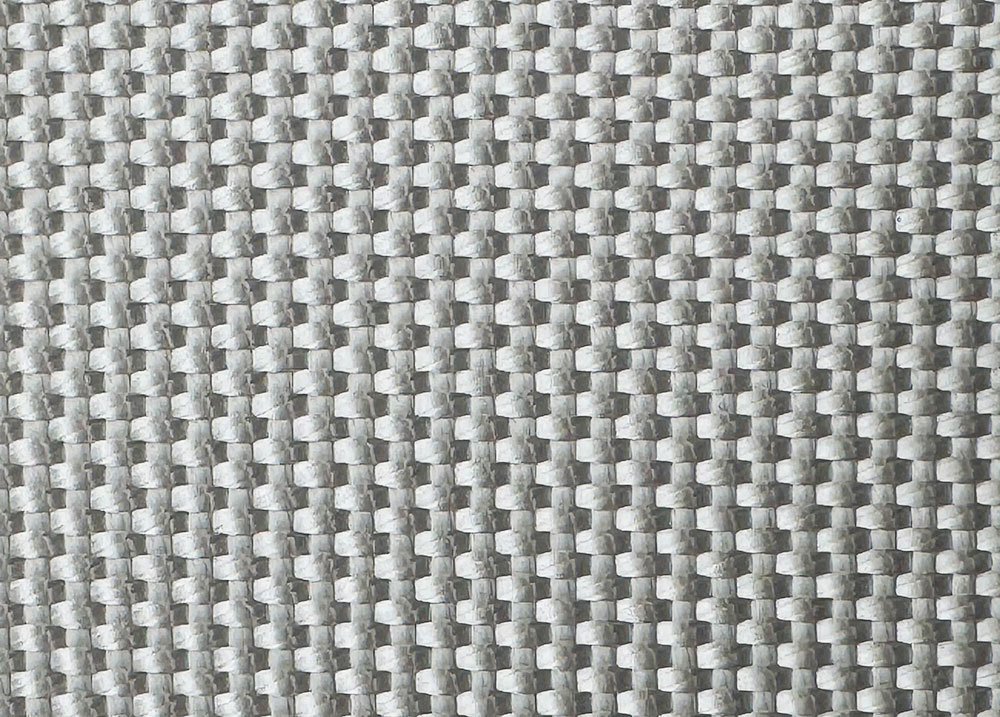
Fiberglass Cloth Plain Weave is one of the most commonly used fiberglass fabric structures. It uses a simple one-over, one-under interlacing pattern, creating a balanced and tightly connected fabric. This structure gives the material excellent dimensional stability and resistance to yarn shifting during handling.
However, the same tight structure that makes plain weave stable can limit flexibility. Because the warp and weft yarns have frequent contact points, there is less freedom for the fibers to move when the fabric is bent or shaped around complex curves.
This does not mean plain weave fiberglass fabric is rigid or difficult to use. In many applications, its moderate flexibility is an advantage because it remains easy to cut, handle, and position without excessive distortion.
For flat panels, simple curves, general reinforcement, and applications requiring consistent fabric shape, Fiberglass Cloth Plain Weave is often a practical choice.
How Do Different Weave Types Compare in Flexibility?
Different weave patterns create different levels of flexibility. The following comparison shows general characteristics of common fiberglass fabric structures.
| Weave Structure | Yarn Arrangement | Flexibility Level | Main Characteristics | Typical Applications |
| Plain Weave | One warp over and under one weft yarn | Moderate | High stability, balanced structure, easy handling | Flat panels, general reinforcement, industrial fabrics |
| Twill Weave | Yarn passes over multiple yarns before interlacing | Higher | Better drape and easier shaping around curves | Complex shapes, molded composites |
| Satin Weave | Longer yarn floats with fewer intersections | Highest | Excellent conformability and smooth surface | Advanced composite parts, complex molds |
Note: Flexibility varies depending on yarn size, fabric weight, thickness, coating, and finishing. The table provides general characteristics rather than fixed performance values.
Twill and satin structures generally provide better drape than plain weave because the yarns have fewer interlacing points and can move more easily. However, greater flexibility may come with reduced resistance to yarn movement or handling distortion.
Does More Flexible Fiberglass Fabric Always Perform Better?
A more flexible fabric is not automatically the best option. Flexibility should match the application requirements.
For example, when producing a composite part with complicated curves, a fabric that easily follows the mold shape can reduce wrinkles and improve surface quality. Twill or satin weave fabrics may provide advantages in these situations.
However, for applications where dimensional stability is more important, a tighter weave may be preferred. A plain weave fiberglass fabric can maintain its shape better during cutting, transportation, and installation, making it suitable for applications where precise positioning is required.
In practical use, the ideal fabric is not the one with maximum flexibility, but the one that provides the right balance between flexibility, strength, and stability.
Other Factors That Influence Fiberglass Fabric Flexibility
Although weave structure plays a major role, several other factors also affect how a fiberglass fabric behaves.
Fabric weight: Heavier fiberglass fabrics generally contain more yarn material, which can increase stiffness. Lightweight fabrics usually offer easier handling and better conformability.
Yarn size: Larger yarns can create a stronger structure but may reduce softness and bending ability.
Coating and treatment: Surface coatings can improve properties such as moisture resistance, chemical resistance, or abrasion protection, but they may also change the fabric’s flexibility.
Fabric thickness: Thicker materials typically provide higher reinforcement capability but require more force to bend.
Therefore, flexibility should always be evaluated together with strength, temperature resistance, and the final working environment.
How to Choose the Right Fiberglass Fabric Weave?
Selecting the right weave depends on how the fabric will be used. If the application requires stable handling, consistent dimensions, and reliable reinforcement on relatively flat surfaces, a plain weave fiberglass fabric can provide a good balance of performance.
For applications involving complex shapes, curved surfaces, or detailed molding, a more flexible weave structure may be more suitable.
A careful evaluation of weave type, fabric weight, thickness, and application requirements helps ensure the selected fiberglass fabric performs effectively over its service life.
Finding the Right Balance Between Flexibility and Stability
Weave structure has a significant influence on fiberglass fabric flexibility. Plain weave provides excellent stability and predictable handling, while twill and satin structures offer greater flexibility for applications requiring better conformability.
Understanding these differences allows users to choose a fiberglass fabric that matches their specific needs. Rather than focusing only on flexibility, the best material selection considers the complete performance balance between strength, durability, handling, and environmental conditions.
