


When comparing different types of fiberglass fabric, GSM is one of the specifications that often appears on product datasheets. It may look like a simple measurement, but it provides useful information about the fabric's weight, structure, and potential applications. Whether the material is used for thermal insulation, industrial protection, or composite reinforcement, understanding GSM can make product selection much easier.
However, a higher GSM does not automatically mean better performance. To understand why, it is important to look at what this measurement represents and how it relates to other properties of fiberglass fabric.
1. What Does GSM Mean in Fiberglass Fabric?
GSM stands for Grams per Square Meter. It measures the mass of a material covering an area of one square meter. In fiberglass fabric manufacturing, GSM indicates how much the fabric weighs per unit area.
For example, if a fiberglass fabric has a GSM of 200, it means that one square meter of the fabric weighs approximately 200 grams. Similarly, a 400 GSM fabric weighs approximately 400 grams per square meter.
The calculation is straightforward:
GSM = Fabric Weight (g) ÷ Fabric Area (m²)
For manufacturers and users, this measurement provides a convenient way to compare fabric specifications. It also helps maintain consistency between production batches, especially when a particular weight range is required.
It is worth noting that GSM normally refers to the fabric itself. If the material has been coated or laminated, the additional coating weight may also need to be considered when evaluating the finished product.
2. Why Is GSM Important for Fiberglass Fabric?
GSM influences several practical characteristics of fiberglass fabric, although it does not determine them independently.
Material Weight and Handling
One of the most noticeable differences between low-GSM and high-GSM fabrics is their handling feel. Lightweight fiberglass fabric is generally easier to lift, cut, fold, and position. It can be particularly convenient when working with large surfaces or components that require careful fabric placement.
Heavier fabrics tend to feel more substantial. During handling, they may provide a stronger sense of coverage and structural presence. However, they can also require more effort to position, especially when working around complicated shapes.
Fabric Coverage and Structure
GSM is also related to the amount of glass fiber contained within a given fabric area. In many constructions, increasing the number of yarns or using thicker yarns raises the overall fabric weight.
This can influence coverage, surface density, and the amount of reinforcement material available in a composite structure. However, the actual effect depends on how the fabric is woven and how its yarns are arranged.
Flexibility and Drapability
Lightweight fiberglass fabrics are often easier to manipulate around curved surfaces. They can be more convenient for applications involving complex shapes or multiple layers.
Heavier fabrics may feel stiffer, particularly when they have a dense weave or thicker yarns. In practical use, this difference becomes noticeable when positioning fabric around corners, molds, or uneven surfaces.
Still, GSM alone cannot determine flexibility. Weave pattern and yarn construction also play important roles.
3. Does Higher GSM Mean Better Fiberglass Fabric?
Not necessarily. This is one of the most common misunderstandings when comparing fiberglass fabric specifications.
A higher GSM means more mass per unit area, but it does not automatically indicate higher tensile strength, better heat resistance, or longer service life.
For example, a lightweight fabric made with high-strength glass yarns may offer excellent tensile properties despite having a relatively low GSM. Meanwhile, a heavier fabric with a different weave structure may provide better coverage but not necessarily greater strength in every direction.
The following factors should be considered alongside GSM:
| Specification | What It Tells You |
| GSM | Mass per unit area |
| Thickness | Physical thickness of the fabric |
| Yarn type | Characteristics of the glass fiber yarn |
| Weave pattern | How warp and weft yarns are interlaced |
| Thread count | Number of yarns per unit length |
| Tensile strength | Resistance to pulling forces |
| Coating | Additional surface properties and protection |
These specifications work together to determine the final performance of a fiberglass fabric.
4. How Does GSM Affect Different Fiberglass Fabric Applications?
Different applications require different combinations of weight, flexibility, and structural performance. Choosing the right GSM therefore starts with understanding how the material will be used.
Thermal Insulation
For thermal insulation applications, fabric weight can influence coverage, handling, and the construction of insulation systems. Lightweight fiberglass fabrics may be suitable for flexible insulation covers, while heavier constructions can provide a more substantial protective layer.
However, thermal insulation performance also depends on fabric structure, temperature conditions, and whether additional insulation materials are used.
Composite Reinforcement
In composite manufacturing, GSM affects how much reinforcement material is introduced into a particular area. Lightweight fabrics are useful when multiple layers are required without adding excessive weight.
Heavier fiberglass fabrics may be preferred when a greater amount of reinforcement material is needed per layer. The final mechanical properties still depend on fiber orientation, resin content, and manufacturing processes.
Industrial Protection
For industrial applications, the appropriate GSM depends on the level of physical protection and the working environment. A heavier fabric may provide better material coverage, while a lighter construction can be easier to install and handle.
The key is to balance material weight with the actual demands of the application rather than simply selecting the heaviest available option.
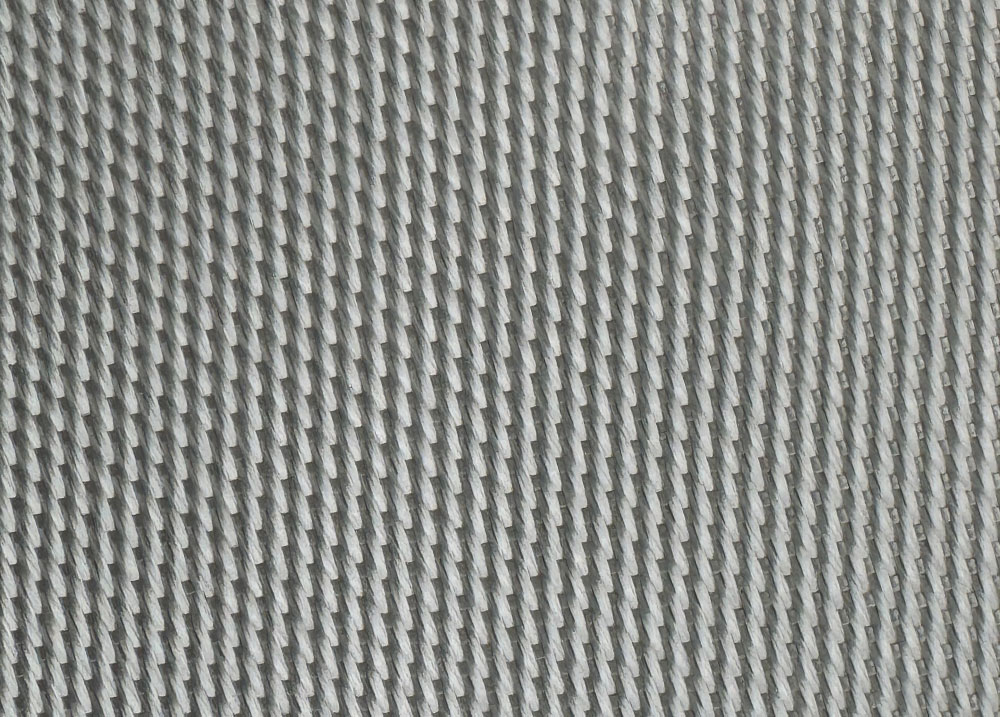
5. How to Choose the Right GSM for Fiberglass Woven Fabric?
Selecting the appropriate GSM requires looking beyond the weight specification. Several practical considerations can help narrow down the options.
First, consider the intended application. A fabric used for lightweight composite reinforcement may have very different requirements from one designed for industrial insulation or heat protection.
Second, evaluate the required flexibility. If the fabric needs to follow curved surfaces or fit into complicated structures, a lighter construction may be easier to work with. For applications requiring greater coverage, a heavier option may be more appropriate.
Third, check the complete technical specifications. Thickness, weave pattern, yarn type, and tensile strength should all be evaluated alongside GSM. This is particularly important when comparing products from different manufacturers.
Finally, consider the manufacturing process. For example, resin impregnation, layering, cutting, and installation can all influence which fabric weight is most practical.
In our experience with fiberglass fabric specifications, focusing only on GSM can make product comparisons misleading. Two fabrics with identical weights may behave quite differently during processing because their weave structures and yarn arrangements are not the same.
Making Better Decisions with Fiberglass Fabric Specifications
GSM is an important starting point when evaluating fiberglass fabric, but it should never be treated as a standalone indicator of quality. It tells you how much the fabric weighs per square meter, while other specifications explain how that weight translates into actual performance.
Our Fiberglass Woven Fabric range can be evaluated according to different fabric weights, weave structures, and application requirements. Whether the priority is lightweight reinforcement, flexible handling, or more substantial industrial coverage, comparing GSM with the complete technical specifications helps identify a more suitable material.
Ultimately, the best fiberglass fabric is not necessarily the heaviest one. It is the construction that provides the right balance of weight, strength, flexibility, and performance for its intended use.
